
Understanding Asbestos Risks In Older Homes
Many older homes were built using materials that are no longer considered safe by today’s standards. One of the most significant concerns is asbestos, a material once widely used for its durability and heat resistance. For property owners, understanding the risks associated with asbestos is essential, particularly when planning renovations or demolition. By working with professionals who specialise in asbestos removal Coffs Harbour residents can ensure these risks are managed safely and in line with regulations.
Why Asbestos Was Commonly Used In Older Homes
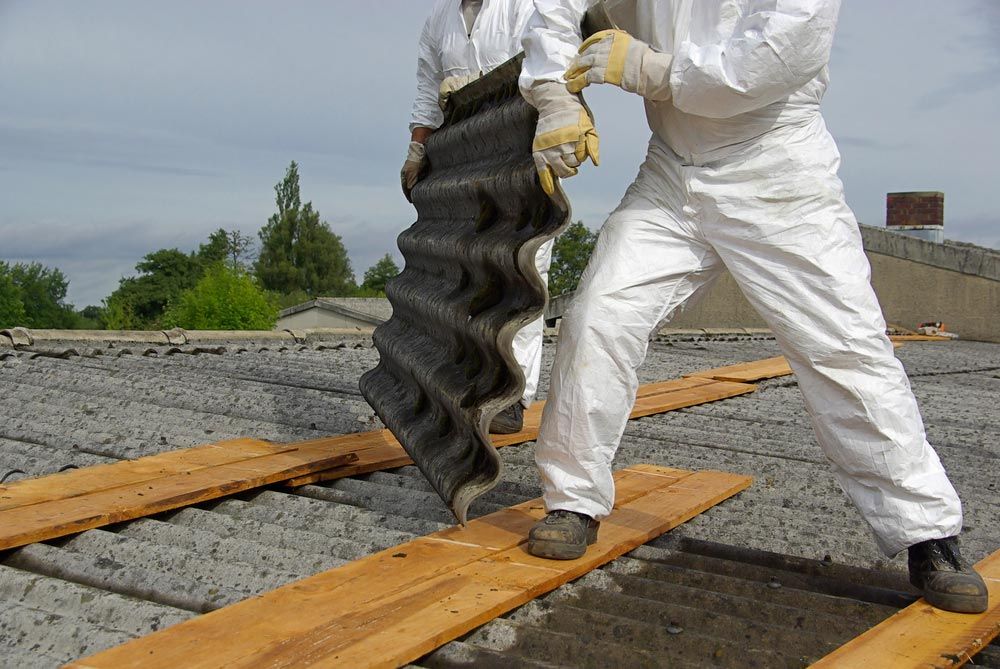
Asbestos was a popular building material for decades due to its strength and resistance to fire and heat. It was used across a wide range of applications in residential construction.
- Roofing materials and insulation
- Wall sheeting and cladding
- Flooring and backing materials
- Pipes and electrical insulation
These uses mean that many homes built before modern regulations may still contain asbestos in various areas.
Where Asbestos Is Most Likely To Be Found
Identifying where asbestos may be present is an important step in managing risk. It is not always visible, which makes professional assessment essential.
- Eaves, ceilings and wall linings
- Vinyl floor tiles and adhesives
- Fencing and external sheeting
- Old insulation materials
Knowing these common locations helps property owners understand where potential risks may exist within their home.
The Health Risks Associated With Asbestos Exposure
Asbestos becomes dangerous when its fibres are disturbed and released into the air. These fibres can be inhaled and cause serious health issues over time.
- Long-term respiratory conditions
- Increased risk of lung disease
- Development of asbestos-related illnesses
- Health effects that may take years to appear
This is why safe handling and professional asbestos removal in Coffs Harbour are critical when dealing with suspected materials.
Why Disturbing Asbestos Is Dangerous
Asbestos is generally considered low risk when left undisturbed. The danger increases significantly during renovations, repairs or demolition.
- Cutting or drilling releases fibres into the air
- Broken materials can become airborne
- Dust can spread contamination through the property
- Improper handling increases exposure risk
Even small disturbances can create significant hazards, which is why professional involvement is essential.
The Importance Of Professional Assessment
Before any work begins on an older property, a proper inspection should be carried out to identify potential asbestos materials.
- Trained professionals can accurately identify materials
- Testing confirms the presence of asbestos
- Risk levels can be properly assessed
- Safe removal plans can be developed
Working with asbestos removal specialists ensures that all potential risks are identified early.
Safe Removal And Handling Procedures
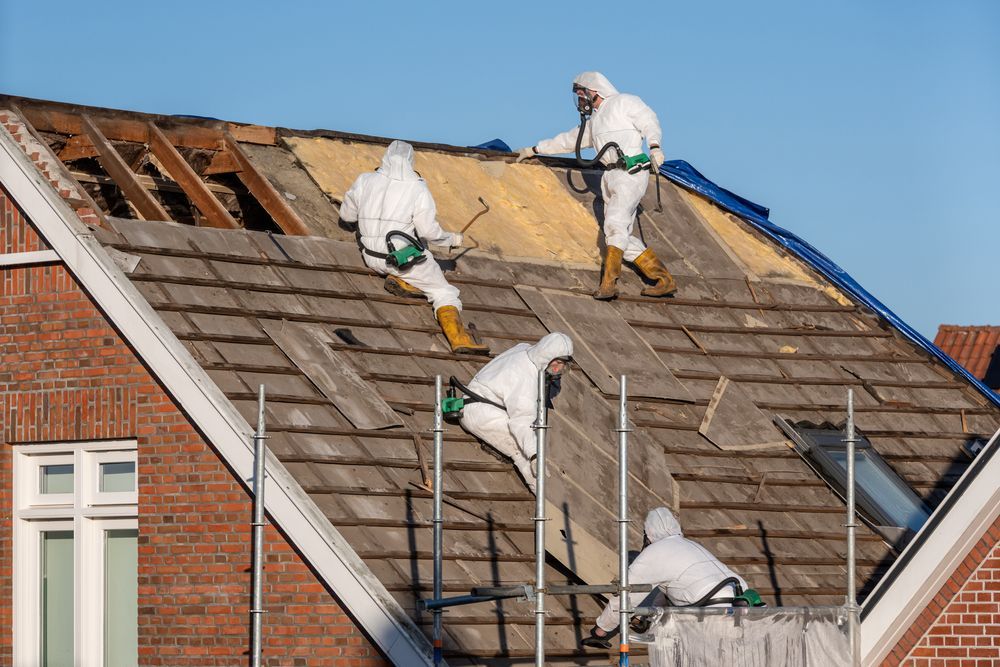
Removing asbestos requires strict procedures to ensure safety for both workers and occupants. This is not a task that should be attempted without proper training.
- Use of protective equipment and containment measures
- Controlled removal processes to limit fibre release
- Safe disposal in approved facilities
- Thorough cleaning and decontamination
These processes are designed to reduce exposure and ensure the area is safe after removal.
Legal Requirements And Compliance
There are strict regulations in place regarding how asbestos must be handled and removed. Compliance is essential for safety and legal reasons.
- Licensed professionals must carry out removal
- Work must follow approved safety guidelines
- Disposal must meet environmental regulations
- Documentation may be required for compliance
Engaging asbestos removal professionals ensures that all work meets these requirements.
Risks Of DIY Asbestos Removal
Attempting to remove asbestos without proper training can create serious hazards. It is not a task suited to general property maintenance.
- Increased risk of exposure to harmful fibres
- Improper handling can spread contamination
- Lack of protective equipment increases danger
- Disposal may not meet legal requirements
Choosing professional asbestos removal in Coffs Harbour reduces these risks significantly.
Protecting Your Property And Occupants
Managing asbestos risks is about protecting both your property and the people within it. Taking the right steps helps prevent long-term issues.
- Identifying risks before starting work
- Using qualified professionals for removal
- Following proper safety procedures
- Ensuring areas are safe after completion
These steps help create a safer environment and reduce potential health concerns.
Planning Renovations With Asbestos In Mind
If you are planning renovations on an older home, asbestos should always be considered during the early stages of planning.
- Arrange inspections before starting work
- Factor removal into project timelines
- Budget for professional services
- Avoid disturbing materials unnecessarily
Planning ahead helps prevent delays and ensures work can proceed safely.
A Safe Approach To Managing Asbestos Risks
When looking for asbestos removal Coffs Harbour homeowners can rely on Walsh Demolition to manage risks safely and efficiently. We understand the importance of proper assessment, controlled removal and compliance with all relevant regulations.
Understanding asbestos risks allows you to make informed decisions about your property. By recognising where asbestos may be present and taking the right steps to manage it, you can reduce potential hazards and protect those around you.
It is also important to remain aware that asbestos risks do not always present immediate symptoms. Exposure can occur without noticeable effects at the time, which is why prevention and professional handling are so important. Regular inspections and cautious planning help minimise the chance of accidental disturbance.
By taking a proactive approach and working with trusted asbestos removal specialists, you can ensure that your home or project site remains safe, compliant and prepared for future work.
Additional consideration should be given to how asbestos materials age over time. As materials deteriorate, they can become more fragile and more likely to release fibres even with minimal disturbance. This makes early identification and management even more important for older properties.
Property owners should also be aware that asbestos may be present in unexpected areas. Renovations carried out decades ago may have introduced materials that are not immediately obvious, which is why professional inspections are always recommended before starting any work.