
Signs Your Property May Contain Asbestos
If your property was built or renovated before asbestos-containing building products were fully banned in Australia, some materials may contain asbestos. Building age, fibre-cement sheeting, older roofing and certain flooring products can provide clues, but you cannot reliably identify asbestos just by looking at it.
Professional assessment and testing are the safest ways to confirm its presence. For Coffs Harbour property owners, recognising potential warning signs can help you know when to stop work and arrange professional advice.
How to Tell If You Have Asbestos in Your Property
There is no simple visual test that can confirm whether a building material contains asbestos. Many asbestos-containing products resemble modern asbestos-free materials. Colour, texture and appearance alone aren't enough to make a reliable identification. Instead, consider three main factors:
- When the property was built or renovated
- Which building materials were used
- Whether those materials are deteriorating or likely to be disturbed
If you suspect asbestos, avoid cutting, drilling, sanding, scraping, breaking or otherwise disturbing the material to investigate it yourself.
Does the Age of Your Property Indicate an Asbestos Risk?
Building age is one of the most useful initial indicators. Asbestos-containing products were widely used in Australian buildings during much of the twentieth century. Australia prohibited the use, reuse, manufacture, import and sale of all forms of asbestos and asbestos-containing products from 31 December 2003. That means older properties deserve additional caution, particularly where original building materials remain.
A newer-looking home isn't necessarily proof that the entire property is asbestos-free either. An older dwelling may have undergone cosmetic renovations while original materials remain behind newer walls, flooring or exterior finishes. The property's renovation history can therefore be just as important as its original construction date.
What Building Materials May Contain Asbestos?
Asbestos was incorporated into many building products because of characteristics including heat and fire resistance and durability. One of the challenges for homeowners is that suspect materials aren't always obvious. They may appear inside, outside, overhead or underneath newer finishes. Potential asbestos-containing materials can include:
- Fibre-cement wall and ceiling sheeting
- Eaves and soffits
- Exterior cladding
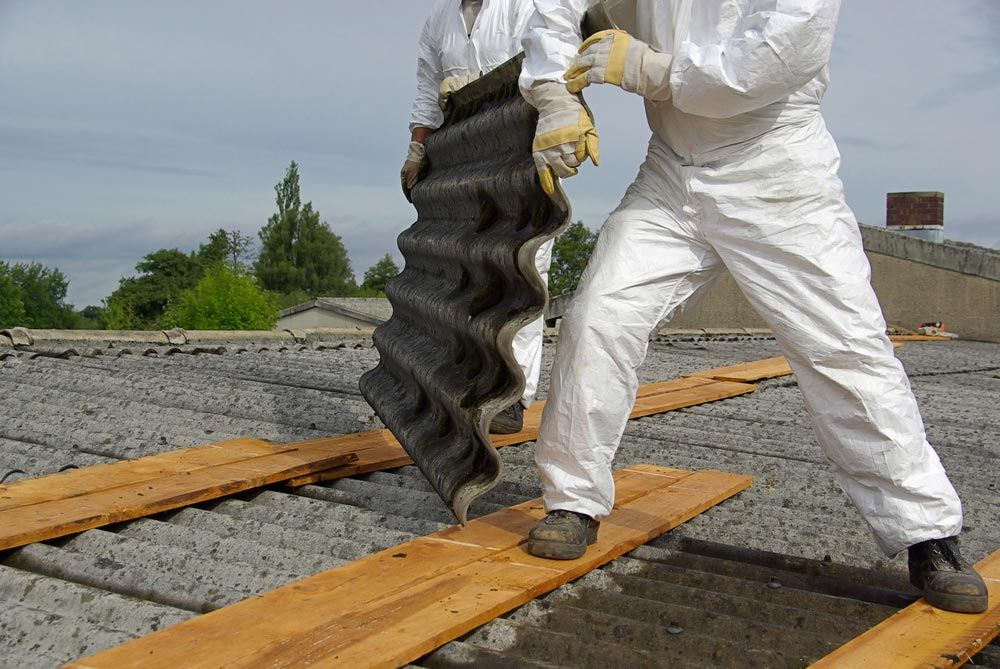
- Corrugated cement roofing products
- Some older vinyl floor tiles and backing materials
- Certain pipes and cement products
- Wet-area linings
- Fencing
- Some insulation and other specialised building products
This isn't a checklist for identifying asbestos yourself. The presence of one of these materials doesn't automatically mean it contains asbestos. It simply means further assessment may be appropriate when the property's age and material history suggest a potential risk.
Where Might Asbestos Be Found Around a Coffs Harbour Home?
Suspect materials can occur in more places than the main house. Older garages, sheds, extensions, laundries and outdoor structures may contain materials installed decades ago. Renovations completed at different times can also mean one part of a property contains asbestos while another does not. Areas worth discussing with a professional include older:
- Wall and ceiling linings
- Eaves
- Garages and sheds
- Exterior cladding
- Roof products
- Bathrooms and laundries
- Flooring
- Fences and outbuildings
Example: A Coffs Harbour homeowner plans to renovate an older laundry. The walls appear to be ordinary fibre-cement sheeting, but the owner doesn't know when they were installed. Instead of drilling into the sheets to begin removing cabinetry, they stop work and arrange professional assessment first. If testing identifies asbestos, the appropriate removal process can then be planned before renovation continues.
That approach avoids turning uncertainty into unnecessary exposure.
Can You Detect Asbestos by Looking at It?
Generally, you cannot confirm asbestos content through visual inspection alone. This is an important distinction because online photos and identification guides can create false confidence. Two building products can look extremely similar while only one contains asbestos.
Likewise, assumptions based on brand, colour or texture may be unreliable if you don't have sufficient product documentation. If confirmation is necessary, an appropriately qualified or competent professional can advise on assessment and sampling. Samples should be analysed by an appropriate laboratory rather than relying on a DIY visual judgement.
Is Asbestos Dangerous If It Is Left Alone?
The level of risk depends heavily on the condition and type of material and whether asbestos fibres can become airborne. Asbestos-containing material that remains in good condition and undisturbed can present a different situation from damaged, weathered or friable material. Problems can arise when asbestos-containing products are cut, drilled, sanded, demolished or otherwise disturbed.
That's why renovation and demolition deserve particular attention. A wall may have remained untouched for decades without causing an obvious problem. Starting a renovation with power tools can dramatically change the situation if that wall contains asbestos. If you suspect a material contains asbestos, don't disturb it simply to find out what is underneath.
What Signs Suggest a Material Needs Professional Assessment?
You don't need to wait until a material is badly damaged before asking for advice. Professional assessment is worth considering where an older or unidentified building product will be affected by renovation, demolition or repair work. Pay particular attention if:
- The building predates the asbestos ban and materials are unidentified
- Old sheeting or cement products will need to be removed
- Suspect materials are cracked, broken or deteriorating
- A renovation will involve cutting into older walls, ceilings or flooring
- Demolition work will disturb original building materials
- Previous renovation history is unknown
The important point isn't to diagnose asbestos yourself. It is to recognise when uncertainty should be resolved before work continues.
What Should You Do If You Suspect Asbestos?
Stop before disturbing the material. Don't drill a test hole, snap off a corner or use a power tool to investigate. Sweeping or using an ordinary household vacuum on suspect asbestos debris can also spread fibres rather than safely containing them.
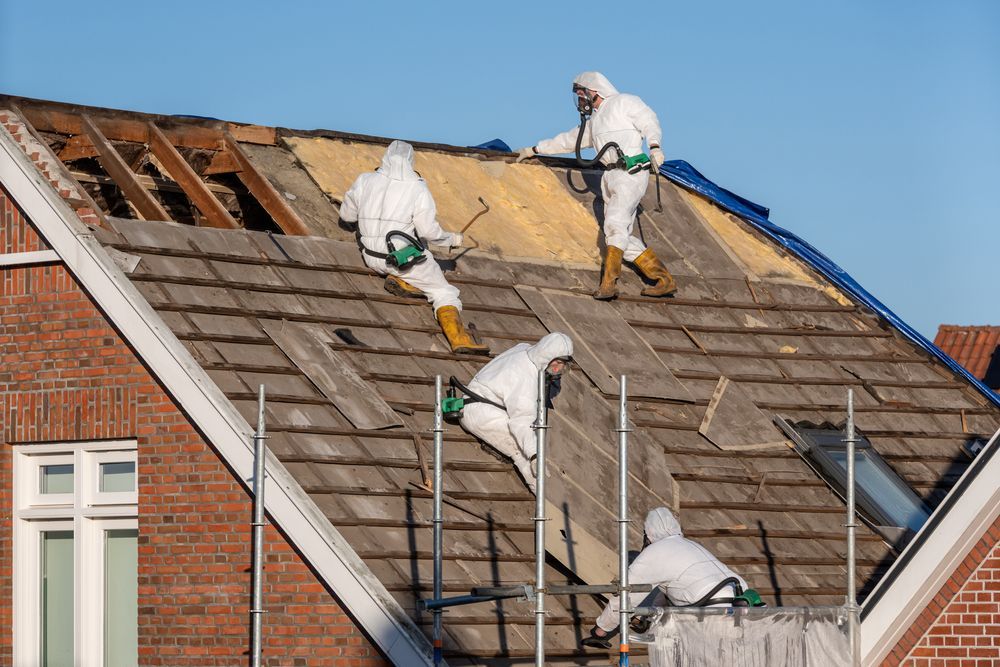
Instead, keep people away from damaged or suspect material where appropriate and contact a professional for advice. If testing confirms asbestos and removal is required, the next steps will depend on the type, quantity, location and condition of the material. NSW has specific requirements governing asbestos removal, including circumstances where licensed removalists are required.
Professional
asbestos removal in Coffs Harbour can help property owners manage confirmed asbestos as part of renovation, demolition or site preparation work.
Why Is Asbestos Assessment Important Before Demolition or Renovation?
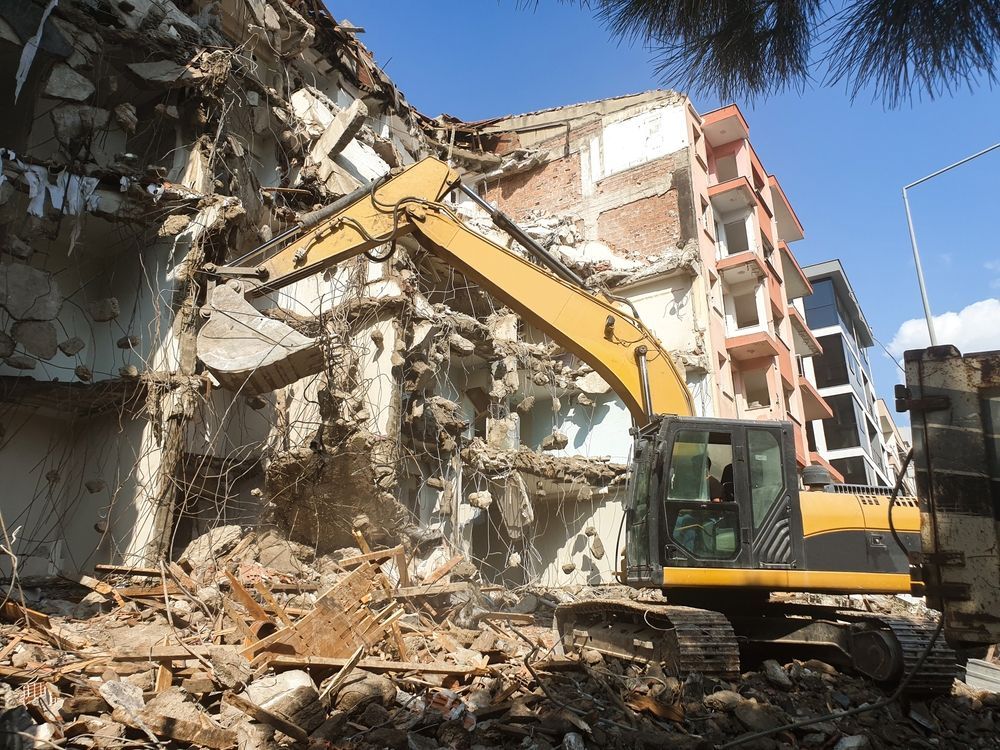
Renovation and demolition are exactly the activities most likely to disturb concealed or previously stable building materials. Finding asbestos after walls have already been broken apart can complicate the project and potentially create unnecessary contamination. Identifying suspect materials before work begins allows the project to be planned around appropriate controls and removal requirements.
This is particularly important during demolition because multiple parts of an older structure may be disturbed in a short period. Walsh Demolition has experience working with demolition and asbestos removal requirements in the Coffs Harbour region. Assessing the site before major work begins helps determine what needs to happen before demolition or renovation proceeds.
The key takeaway is simple: building age and materials can tell you when asbestos is possible, but appearance alone cannot confirm it. If an older or unidentified material may be disturbed, have it professionally assessed rather than trying to inspect, break or sample it yourself.
If you're planning demolition or renovation, or have already identified suspect materials on your property,
contact Walsh Demolition to discuss professional
asbestos removal in Coffs Harbour and the safest next step for your site.
Frequently Asked Questions
How can I tell if my house has asbestos?
You usually can't confirm asbestos by looking at a material. The age of the building and type of construction materials can indicate potential asbestos, but professional assessment and laboratory testing may be needed for confirmation.
What year should I worry about asbestos in an Australian house?
Properties built or renovated before Australia's complete asbestos prohibition took effect on 31 December 2003 may warrant additional investigation where suspect materials remain. Older properties, particularly those retaining original building products, deserve careful assessment before renovation or demolition.
Can asbestos look like ordinary cement sheeting?
Yes. Some asbestos-containing fibre-cement products can look similar to asbestos-free materials. Don't drill, break or cut a sheet in an attempt to identify it yourself.
Where is asbestos commonly found in older homes?
Potential locations include wall and ceiling sheeting, eaves, exterior cladding, roofing, wet areas, some older flooring products, garages, sheds and fences. The materials used vary between properties and construction periods.
Should I remove suspected asbestos myself?
Don't disturb suspected asbestos without first establishing what the material is and what legal and safety requirements apply. Depending on the type and amount of asbestos, NSW licensing and removal requirements may apply, and professional removal is often the safest approach.
Who should I contact about asbestos removal in Coffs Harbour?
Walsh Demolition provides asbestos removal services for properties in the Coffs Harbour region. Contact the team if suspect or confirmed asbestos needs to be assessed as part of planned demolition, renovation or removal work.