
The Role Of Demolition Contractors In Safe And Efficient Projects
When people think about construction projects, attention often focuses on what is being built. Yet before any new development, renovation or upgrade can begin, there is often another critical stage that sets the foundation for success: demolition. Whether removing a small residential structure or clearing a large commercial site, demolition is far more than simply knocking down buildings.
Modern demolition projects involve careful planning, regulatory compliance, environmental considerations and strict safety measures. Professional demolition contractors coordinate every stage of the process to ensure structures are removed efficiently while minimising risks to workers, neighbouring properties and the surrounding environment.
Understanding the role demolition contractors play can help property owners, developers and project managers appreciate the value they bring to construction and redevelopment projects.
Planning and Assessing the Site Before Work Begins
Successful demolition starts long before machinery arrives on site. Contractors conduct detailed assessments to understand the structure, identify potential hazards and develop an appropriate demolition strategy.
Every building presents unique challenges. Factors such as age, construction materials, location and surrounding infrastructure all influence how the demolition will proceed.
A thorough site assessment typically includes:
- Structural evaluations
- Identification of hazardous materials
- Utility location and disconnection planning
- Access and traffic management considerations
- Environmental impact assessments
By carefully evaluating these factors, demolition contractors can establish a clear project plan that reduces unexpected delays and safety risks.
Managing Safety Risks Throughout the Project
Safety is one of the most important responsibilities of any demolition contractor. Demolition activities involve heavy machinery, falling materials, dust generation and changing site conditions that require constant monitoring.
Professional contractors implement comprehensive safety systems designed to protect workers, neighbouring properties and members of the public.
Common safety measures include:
- Site fencing and exclusion zones
- Personal protective equipment requirements
- Dust suppression systems
- Ongoing hazard identification
- Regular safety inspections and briefings
Rather than reacting to problems, contractors focus on preventing incidents through careful planning and proactive risk management.
Ensuring Compliance With Regulations and Approvals
Demolition projects are governed by numerous regulations, permits and industry standards. Navigating these requirements can be challenging for property owners who are unfamiliar with the process.
Demolition contractors play a key role in ensuring all necessary approvals are obtained and project activities comply with applicable regulations.
Compliance responsibilities often include:
- Securing demolition permits
- Meeting workplace health and safety obligations
- Managing environmental requirements
- Coordinating utility disconnections
- Maintaining project documentation
Proper compliance helps avoid project interruptions, penalties and unnecessary complications that can impact schedules and budgets.
Handling Hazardous Materials Responsibly
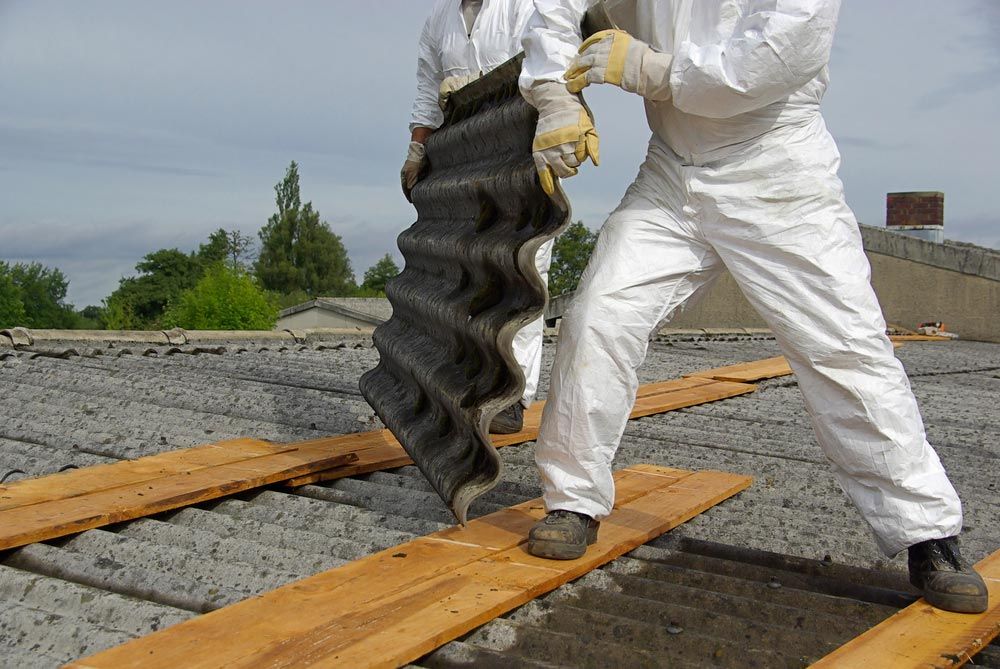
Many older structures contain materials that require specialised handling before demolition can proceed. Asbestos is one of the most well-known examples, but other hazardous substances may also be present depending on the building's age and previous use.
Professional demolition contractors work with licensed specialists where required to identify, remove and dispose of hazardous materials safely.
This process may involve:
- Hazardous material inspections
- Asbestos testing and removal
- Lead paint management
- Contaminated soil assessments
- Controlled waste disposal
Addressing these risks before structural demolition begins protects workers and helps prevent environmental contamination.
Using the Right Equipment for the Job
Different demolition projects require different approaches. The equipment and techniques used to remove a single-storey dwelling are vastly different from those required for larger commercial or industrial structures.
Demolition contractors select machinery based on the size, complexity and location of the project.
Common equipment may include:
- Excavators with demolition attachments
- Skid steer loaders
- Hydraulic breakers
- Concrete crushers
- Material handling equipment
Using appropriate equipment allows demolition work to be completed efficiently while maintaining control over the process and reducing unnecessary disruption.
Coordinating Waste Removal and Recycling
Demolition generates significant volumes of waste material. Effective management of this waste is essential for maintaining site safety and supporting environmental objectives.
Rather than sending all materials directly to landfill, demolition contractors often separate and recover recyclable materials wherever practical.
Materials commonly recycled include:
- Concrete
- Bricks
- Steel
- Aluminium
- Timber
Efficient waste management helps keep sites organised and supports responsible resource recovery practices throughout the project lifecycle.
Keeping Projects on Schedule
Construction timelines often depend on demolition being completed within a specific timeframe. Delays during the demolition phase can affect every subsequent stage of development.
Experienced demolition contractors understand the importance of coordinating activities efficiently while maintaining safety and compliance requirements.
Key scheduling responsibilities include:
- Developing realistic project timelines
- Coordinating subcontractors and specialists
- Managing equipment availability
- Monitoring project progress
- Responding to changing site conditions
Careful project management helps ensure demolition activities progress smoothly and allow following construction stages to commence as planned.
Supporting Future Construction and Development
Demolition is not simply about removing structures. It is about preparing a site for its next purpose. The condition of a site following demolition can significantly influence the success of future works.
Professional contractors focus on delivering a clean, safe and properly prepared site ready for redevelopment.
Preparation services may include:
- Site clearing
- Slab and footing removal
- Excavation works
- Land preparation
- Final site clean-up
These services help create a smooth transition between demolition and construction, reducing complications for builders and developers moving forward.
Why Professional Demolition Matters
Demolition projects involve a complex combination of planning, safety management, compliance, environmental responsibility and logistical coordination. While the physical act of removing a structure may appear straightforward, the work that takes place behind the scenes is what ensures projects remain safe and efficient.
Professional demolition contractors provide the expertise, equipment and project management required to handle these responsibilities effectively. From initial assessments through to waste removal and final site preparation, they play an essential role in supporting successful construction and redevelopment outcomes.
For property owners considering
demolition in Coffs Harbour, understanding the value of professional demolition services can help ensure projects proceed safely, efficiently and in accordance with all relevant requirements.
Ready to Discuss Your Demolition Project?
We at Walsh Demolition understand that every project requires careful planning, strict safety standards and reliable execution. Whether you're preparing for a renovation, redevelopment or complete site clearance, our team can provide practical advice and professional support for demolition in Coffs Harbour and surrounding areas. Contact us today to discuss your project and arrange a consultation.