
Why Professional Asbestos Removal Is Essential
Older homes and commercial buildings across the Mid North Coast often carry a hidden legacy from decades past: asbestos. It sat quietly in walls, ceilings and floors for years without causing trouble, but once disturbed during a renovation or demolition, it becomes a genuine health concern.
For property owners planning any work on a pre-1990s building, understanding what asbestos removal actually involves and why it needs to be handled by licensed professionals is essential before the first wall comes down. This is particularly true for anyone arranging asbestos removal in Coffs Harbour, where a significant number of properties still date back to before national bans were introduced. Whether you're renovating a family home, managing a commercial fit-out or weighing up an older property before signing a contract, knowing what to look for and who to call makes the whole process considerably less stressful.
Asbestos & Its Ongoing Presence in Older Properties
Asbestos was widely used in Australian construction throughout the twentieth century thanks to its fire resistance, durability and low cost. It wasn't fully banned nationally until the early 2000s, which means any property built or renovated before then may still contain it in some form. Left undisturbed, asbestos generally poses little risk. The concern arises once it's damaged, deteriorating or disturbed by renovation or demolition work.
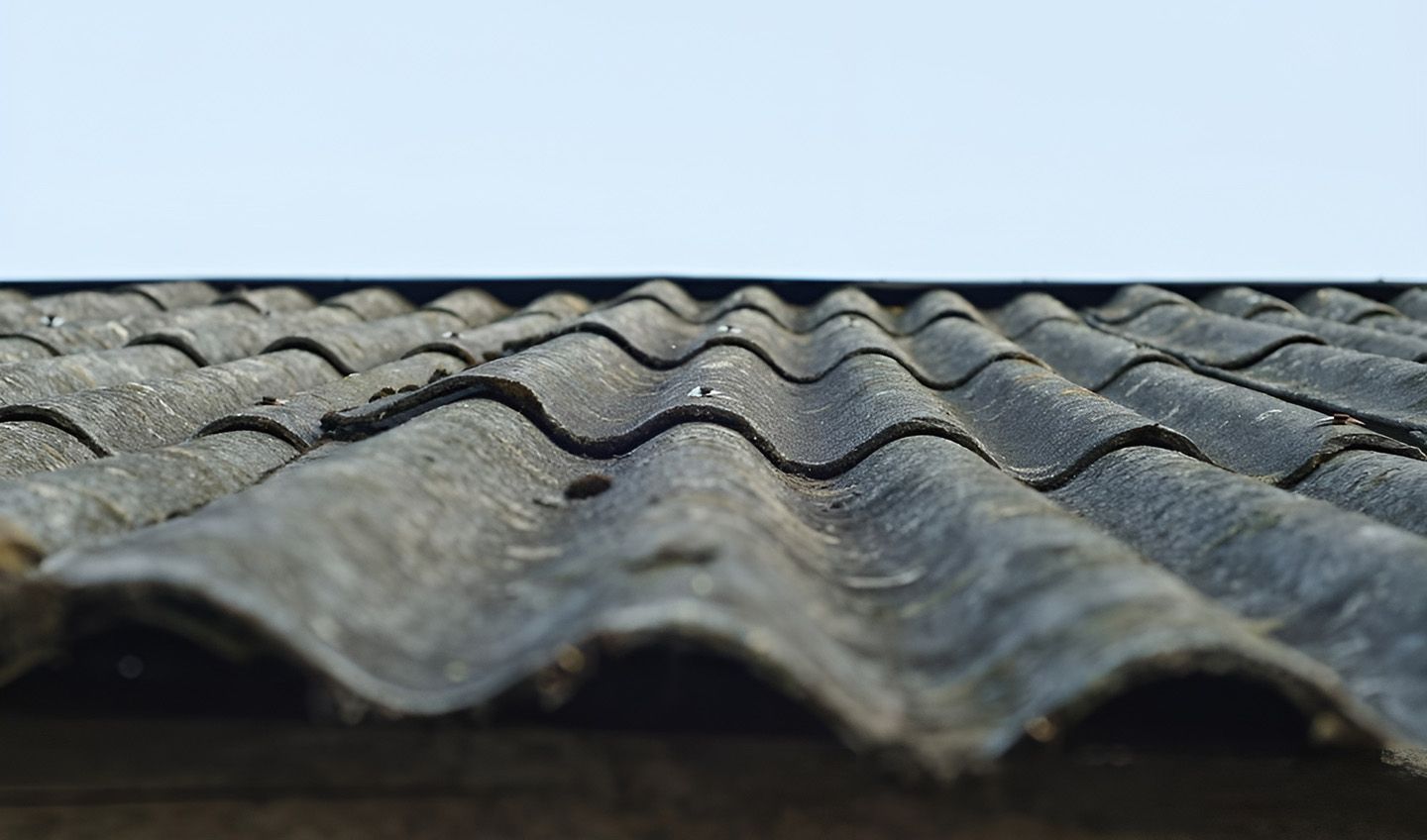
- Commonly found in roofing sheets, wall linings, floor tiles & pipe insulation
- More prevalent in buildings constructed before the 1990s
- Condition matters more than age when assessing risk
- Often discovered during renovations, demolitions or pre-purchase building inspections
For anyone considering a residential asbestos removal project or reviewing an older property before buying it, this is usually the point at which asbestos first becomes a topic of conversation rather than an abstract concern.
The Health Risks of Disturbing Asbestos-Containing Materials
The danger with asbestos lies in its fibres, which are released into the air when the material is cut, drilled, sanded or broken. These fibres are too small to see and, once inhaled, can remain in the lungs for years before any health effects become apparent. This delayed onset is part of why asbestos health risks are taken so seriously by regulators and removal professionals alike.
- Airborne fibres can be released by seemingly minor renovation tasks
- Health effects often take years or decades to develop
- Weathered or deteriorating asbestos can shed fibres without any direct disturbance
- Ongoing exposure over time is generally considered more serious than a single, brief disturbance
Because these asbestos health risks aren't always obvious at the time, many property owners only become aware of the issue once a professional inspection has flagged it, which is why early testing matters just as much as the removal itself.
Legal Requirements for Asbestos Removal in NSW
Asbestos removal in New South Wales is governed by clear regulatory requirements, overseen by bodies including SafeWork NSW and guided by national standards set by Safe Work Australia. These rules dictate who can legally remove asbestos, how much can be handled without a licence and how the material must be disposed of once removed. Staying across the asbestos removal regulations NSW property owners are expected to follow can save considerable time and expense further down the track, particularly if a renovation or sale is on the horizon.
- Removal of larger quantities of bonded asbestos generally requires a licensed removalist
- Friable (crumbling) asbestos always requires a specialist licence, regardless of quantity
- Disposal must occur at a facility authorised to accept asbestos waste
Anyone arranging asbestos removal in Coffs Harbour should confirm these requirements apply to their specific job before work begins, as the licensing threshold can vary depending on the type and quantity of material involved. If you're unsure whether your project falls within these thresholds, our blog on do you need a licence to remove asbestos breaks down the NSW rules in more detail.
The Risks of Attempting DIY Asbestos Removal
It can be tempting to tackle a small asbestos removal job independently, particularly when the material looks intact. However, without proper training, air monitoring and disposal arrangements, DIY removal creates risks that are easy to underestimate. Beyond the health implications, there are also legal and financial consequences for getting it wrong.
- Incorrect handling can release fibres without any visible warning sign
- Improper disposal can result in penalties under NSW environmental regulations
- Home insurance & future property sales can be complicated by undocumented asbestos work
- Safe asbestos disposal requires access to licensed waste facilities, which aren't available to the general public
Even a small, seemingly manageable job can end up costing more in remediation and compliance issues than engaging a licensed professional from the outset.
The Professional Asbestos Removal Process
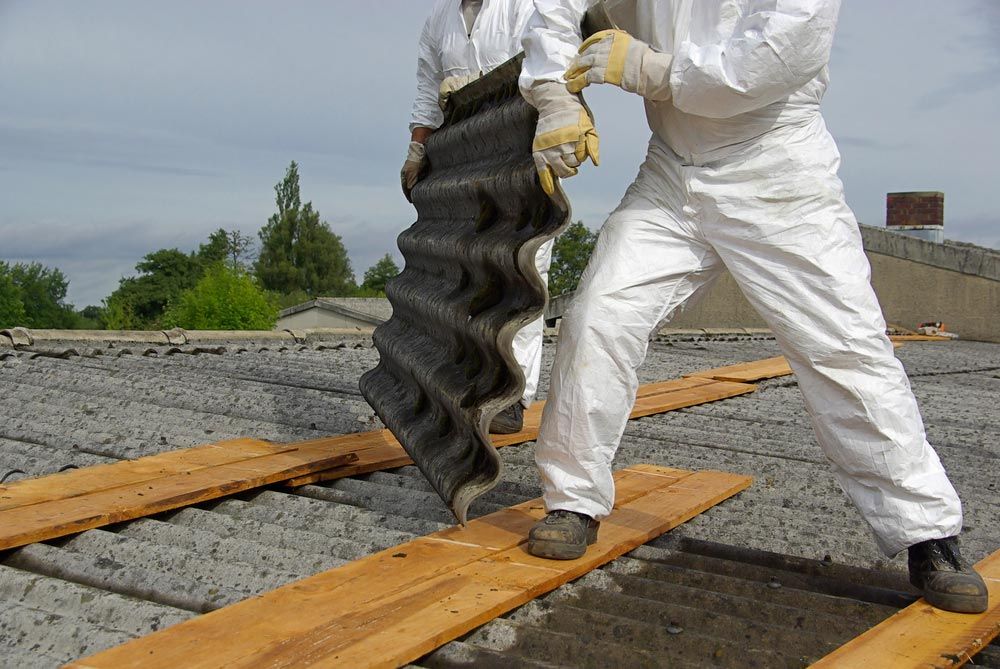
A licensed asbestos removal job follows a structured process designed to protect both the people carrying out the work and anyone else on site. This applies whether the job is a straightforward residential asbestos removal or a larger-scale commercial asbestos removal project tied to a demolition.
- An initial inspection & asbestos testing & inspection to confirm the presence, type & extent of asbestos
- A written removal plan outlining containment, disposal & timeline
- Removal, packaging & transport of asbestos waste to a licensed disposal facility
- A clearance certificate confirming the site is safe for re-entry or further construction work
The timeline for each step depends on the scale of the job, but a clear plan upfront means fewer surprises once work is underway.
Safety Controls Used by Licensed Removalists
Licensed removalists rely on a combination of physical controls and procedural safeguards to keep fibre release to a minimum throughout the job. These measures are standard practice on both residential and commercial sites, regardless of the scale of the work.
- Sealed containment areas with clear signage restricting access
- Wetting down materials before removal to suppress dust
- Personal protective equipment & respiratory protection worn by all workers on site
- Air monitoring on larger or higher-risk jobs to verify safe conditions
These controls apply consistently across residential and commercial jobs alike, giving property owners confidence that the same standard of care is maintained regardless of the size or type of building involved.
Choosing a Licensed Asbestos Removal Team in Coffs Harbour
Not every demolition or renovation contractor offering asbestos removal in Coffs Harbour is licensed to handle it, so it's worth confirming credentials before any work begins. A licensed asbestos removalist will be able to provide evidence of their licence, outline the disposal process clearly and explain how the job will be documented from start to finish.
- Ask to see current licensing before work commences
- Request a written scope of work & disposal plan
- Confirm that a clearance certificate will be issued on completion
If you suspect asbestos in your home, our team offering professional asbestos removal in Coffs Harbour can safely assess and manage the entire process from testing through to disposal. Engaging a licensed asbestos removalist also ensures the work meets NSW safety and disposal regulations, giving you documentation you can rely on for future renovations, sales or insurance purposes.
Get in Touch
We at
Walsh Demolition know that finding out a property contains asbestos can be an unwelcome surprise, especially when you're in the middle of planning a renovation, demolition or property purchase. Coffs Harbour and the surrounding Mid North Coast have plenty of older housing stock where this is a common issue. Coastal weathering can also make asbestos-containing materials deteriorate faster than expected. If you'd like an assessment or want to discuss a removal project,
get in touch with our team to arrange a time that suits you.