
Commercial Demolition: Safety, Compliance, And Best Practices
Commercial demolition is far more complex than simply bringing down a building. A well-managed project requires detailed planning, robust safety systems, regulatory compliance, controlled waste handling, and careful coordination to protect neighbouring properties and businesses. For organisations planning demolition in Coffs Harbour, choosing an experienced contractor is essential to managing these requirements from the outset.
What Makes Commercial Demolition Different From Residential Demolition?
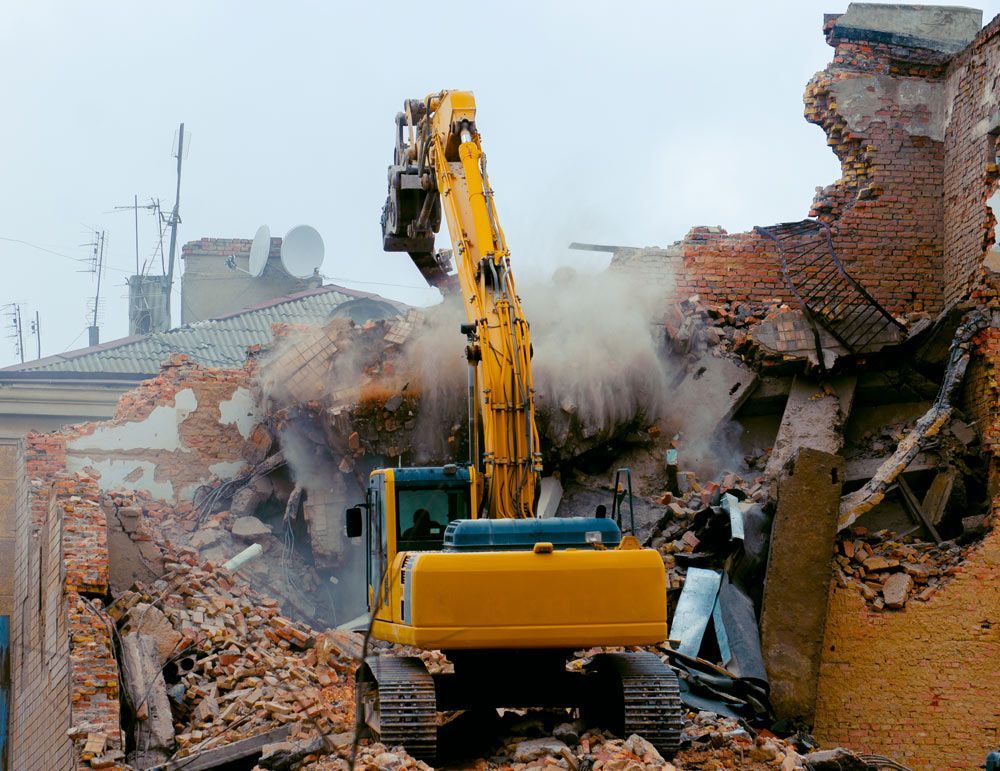
Commercial demolition typically involves larger structures, more complex construction methods, heavier machinery, and stricter site controls than most residential projects. Buildings may also contain multiple services, hazardous materials, reinforced structural elements, or materials that require specialist removal. The surrounding environment adds another layer of complexity. A commercial site may sit beside operating businesses, public roads, pedestrian areas, utilities, or occupied properties. Contractors therefore need to consider not only how the structure will be demolished, but how every stage of the work will affect people and property around it.
A commercial demolition plan should consider factors such as:
- Structural condition and construction methods
- Existing electrical, water, gas, sewer, and telecommunications services
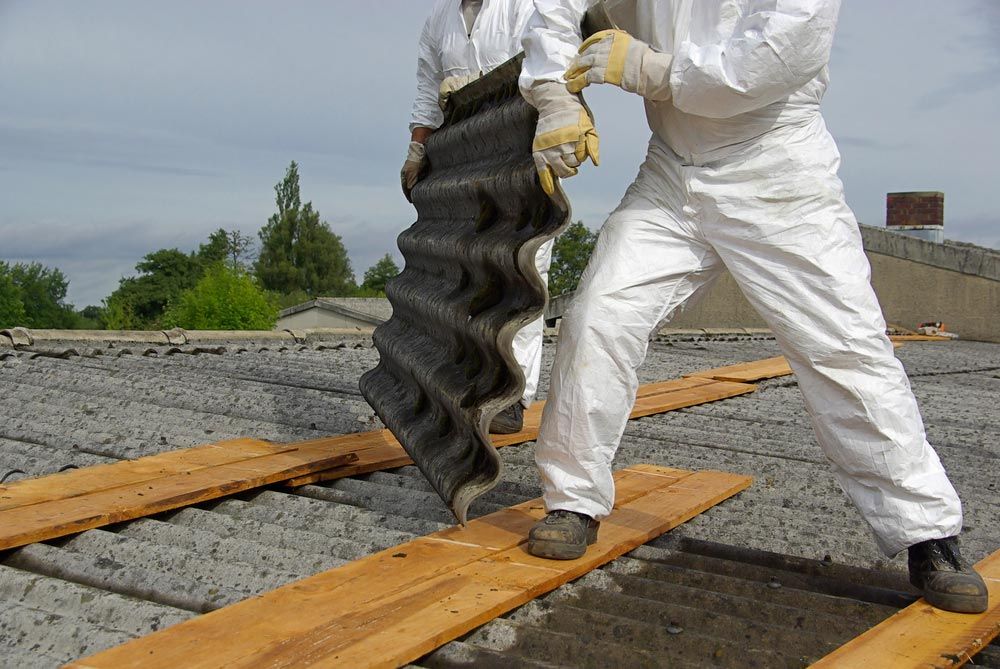
- Hazardous materials, including potential asbestos-containing materials
- Machinery access and exclusion zones
- Dust, noise, vibration, and debris controls
- Waste separation, recycling, and disposal
- Vehicle and pedestrian movements
- Adjacent structures and neighbouring businesses
Identifying these factors before demolition starts allows the contractor to select an appropriate methodology rather than responding to preventable problems once machinery is already operating.
How Do Safety Systems Protect a Commercial Demolition Site?
Effective demolition safety starts well before physical dismantling begins. According to industry best practice, contractors should assess the structure, site conditions, hazards, access requirements, and proposed demolition sequence before commencing work. Site-specific controls can then be established around the identified risks. These may include exclusion zones, temporary fencing, signage, traffic controls, fall protection, dust suppression, and procedures governing the movement of plant and workers.
The demolition sequence itself is particularly important. Removing structural components in the wrong order can create instability or expose workers and surrounding property to unnecessary risk. Experienced demolition contractors plan how loads and structural support will change as sections of a building are progressively removed. Communication also matters. Operators, labourers, supervisors, subcontractors, and other relevant personnel need a clear understanding of site hazards and how work will proceed.
For example, consider a fictional commercial property with a warehouse behind an occupied street-facing tenancy. Instead of treating the entire site as one demolition zone, the contractor could establish separate work and public-access areas, coordinate machinery movements around trading hours, and demolish the structure in a controlled sequence away from the occupied space. This approach addresses both demolition risk and business continuity.
What Compliance Requirements Apply to Demolition in Coffs Harbour?
Commercial demolition must comply with applicable workplace health and safety, environmental, planning, building, and waste-management requirements. The exact approvals and controls depend on the property, structure, demolition method, materials present, and scope of work. Before demolition in Coffs Harbour begins, contractors and property owners may need to establish which permits, notifications, licences, or approvals apply to the project. Local requirements should be checked for the specific property rather than assuming the requirements from a previous demolition project will be identical.
Hazardous materials require particular attention. Older commercial buildings can contain asbestos and other materials that cannot simply enter a general demolition waste stream. Where hazardous materials are identified or suspected, appropriate assessment, removal, handling, transport, and disposal procedures must form part of the project plan.
Compliance also extends to site documentation. Depending on the project, this can involve risk assessments, safe work procedures, demolition plans, waste records, plant documentation, and other evidence showing how identified risks will be controlled. The practical benefit is significant: addressing compliance during pre-demolition planning helps prevent avoidable delays once the site is active.
How Should Waste Be Managed During Commercial Demolition?
Commercial demolition can produce substantial volumes of concrete, steel, timber, masonry, fixtures, and other materials. Effective waste management starts by identifying these materials before demolition and determining which streams can be separated for recycling, recovery, reuse, or appropriate disposal. Selective demolition can make this process easier. Rather than mixing every material together during structural demolition, contractors may remove particular fixtures, metals, services, or other recoverable materials beforehand where practical.
A planned waste strategy can include:
- Assessing likely waste streams before work begins.
- Identifying hazardous or regulated materials separately.
- Establishing designated areas for sorting and loading.
- Separating recyclable and recoverable materials where practical.
- Transporting waste to appropriate facilities.
- Maintaining relevant disposal and waste records.
Concrete and masonry, for example, may be suitable for processing and recycling depending on their condition and available facilities, while metals can often enter dedicated recycling streams. Contaminated or regulated waste requires different handling. Good waste management also contributes to a cleaner, more organised demolition site. Reducing uncontrolled piles of mixed debris can improve access for machinery and make subsequent site clearing more efficient.
How Can Commercial Demolition Minimise Disruption to Nearby Businesses?
Demolition can generate noise, dust, vibration, truck movements, and temporary access restrictions. On a commercial site, these impacts may affect customers, employees, neighbouring businesses, deliveries, and normal operations.
Reducing disruption requires contractors to understand how the surrounding area functions. Delivery times, customer access points, shared driveways, neighbouring operating hours, pedestrian movements, and peak traffic periods can all influence the demolition program. Practical controls may include scheduling particularly disruptive activities at suitable times, using dust suppression, planning truck routes, maintaining clearly defined access areas, and communicating relevant changes before they occur.
Dust management deserves particular attention. Water suppression and other suitable controls can help limit airborne dust during structural demolition and material handling. Contractors also need to prevent demolition debris from spreading beyond controlled work areas. Noise cannot always be eliminated, but it can be managed. Selecting appropriate equipment, maintaining machinery, sequencing tasks efficiently, and coordinating work hours can reduce unnecessary disturbance.
For commercial property owners, discussing these constraints with the demolition contractor before work starts is much easier than trying to redesign site operations halfway through the project.
How Should a Commercial Demolition Project Be Planned?
A reliable commercial demolition process begins with information gathering and finishes with a site prepared for its next intended use. The exact sequence varies between projects, but several stages are fundamental.
First, the contractor needs to inspect and assess the property. This establishes the structure's characteristics, surrounding constraints, site access, services, potential hazards, and practical demolition options. Relevant utilities then need to be identified and appropriately managed before structural work proceeds. Hazardous material requirements should also be resolved in accordance with the applicable procedures.
The contractor can then establish the demolition methodology, site controls, equipment requirements, waste strategy, and sequence of work. Once the necessary preparations and approvals are in place, demolition can proceed systematically. Material removal and site clearing follow the structural works. The required final condition should be agreed upon beforehand, particularly if excavation, redevelopment, or new construction will begin soon after demolition. Clear scope definition is important here. Property owners should know whether a quotation covers structural demolition alone or also includes activities such as internal strip-outs, waste removal, concrete removal, site clearing, or other associated works.
What Should You Look for in a Commercial Demolition Contractor?
A commercial demolition contractor should be able to explain how they will manage the specific risks and constraints of your property. A generic demolition approach is rarely enough for a complex commercial site. Before appointing a contractor, discuss their proposed methodology, safety procedures, waste strategy, equipment, project sequencing, and approach to regulatory requirements. It is also worth clarifying how they intend to manage interfaces with neighbouring properties, operating businesses, and public areas. Local knowledge can be valuable as well. A contractor familiar with demolition in Coffs Harbour can assess practical considerations such as site access, surrounding development, material transport, and local project conditions as part of the planning process.
At Walsh Demolition, we provide demolition services in Coffs Harbour for projects requiring structured planning from initial site assessment through to demolition and clearing. If you are preparing a commercial property for redevelopment or need to understand the demolition requirements for an existing structure, contact our team to discuss the site, scope and next steps before work begins.
Frequently Asked Questions
What needs to happen before commercial demolition starts?
The property should be assessed for structural conditions, existing services, hazardous materials, access constraints, surrounding risks, and waste requirements. The contractor should also determine the necessary approvals, site controls, demolition methodology, and sequencing before structural demolition begins.
How long does a commercial demolition project take?
The timeframe depends on the size and construction of the building, site access, hazardous material requirements, demolition method, waste volumes, and surrounding constraints. A detailed site assessment allows the contractor to develop a more realistic project program.
Can a business continue operating during nearby demolition?
In some circumstances, operations can continue if the demolition plan provides appropriate separation, access, and safety controls. The feasibility depends on the layout of the property, the demolition scope, and the risks created by the work.
What happens to materials after a commercial building is demolished?
Demolition materials may be sorted for recycling, recovery, reuse, or disposal depending on their type and condition. Hazardous and regulated materials require appropriate handling and must not simply be mixed with general demolition waste.
How is dust controlled during commercial demolition?
Contractors can use measures such as water suppression, controlled demolition techniques, appropriate material handling, and site containment to reduce dust. The controls required depend on the structure, demolition method, materials, weather, and surrounding environment.
Why is demolition sequencing important?
Demolition changes the way loads and forces move through a structure. Planning the order in which structural elements are removed helps maintain control and reduces the risk of unintended instability during the project.