
Residential Demolition: What Homeowners Need to Know Before Starting
Residential demolition is a major step in the lifecycle of a property. Whether you are clearing land for a new home, removing a damaged structure, or preparing a site for redevelopment, careful planning is essential. Demolition may look straightforward from the outside, but behind every successful project is a process involving approvals, safety management, environmental considerations and experienced contractors.
For property owners planning demolition in Coffs Harbour, understanding the requirements before work begins can save time, money and stress. Proper preparation ensures the project runs smoothly and complies with local regulations while protecting workers, neighbouring properties and the environment.
This guide outlines the key things homeowners should know before beginning a residential demolition project.
Understanding Residential Demolition
Residential demolition refers to the controlled removal of a house or other residential structure. The goal is not simply to knock down a building but to dismantle it safely while managing waste, protecting surrounding areas and preparing the site for future construction.
Projects can vary significantly depending on the property. Some demolitions involve small structures such as garages or sheds, while others require the complete removal of multi-room houses.
When planning demolition Coffs Harbour homeowners should remember that each property presents unique challenges. Construction materials, building age, site access and surrounding infrastructure all influence the demolition approach.
Why Proper Planning Is Important
A demolition project requires more than machinery and manpower. Without proper planning, risks increase and delays can occur.
Key planning considerations include:
- Local council approvals
- Environmental regulations
- Asbestos identification and removal
- Utility disconnections
- Waste disposal and recycling
By addressing these issues early, property owners reduce the risk of unexpected complications once work begins.
Working with experienced professionals in demolition helps ensure each stage of the process is managed correctly.
Council Approvals and Permits
Before residential demolition begins, homeowners usually need approval from the local council. Regulations vary depending on the property location, zoning and scope of the project.
In many cases, demolition approval may form part of a development application or a complying development certificate.
Council requirements may include documentation such as:
- Demolition plans
- Waste management plans
- Site safety procedures
- Proof of contractor licensing
These approvals ensure that demolition work meets safety and environmental standards.
Professional contractors familiar with demolition regulations can help homeowners navigate these approval processes efficiently.
Asbestos Assessments
One of the most important steps before residential demolition is identifying asbestos-containing materials.
Many homes built before the late 1980s used asbestos in products such as:
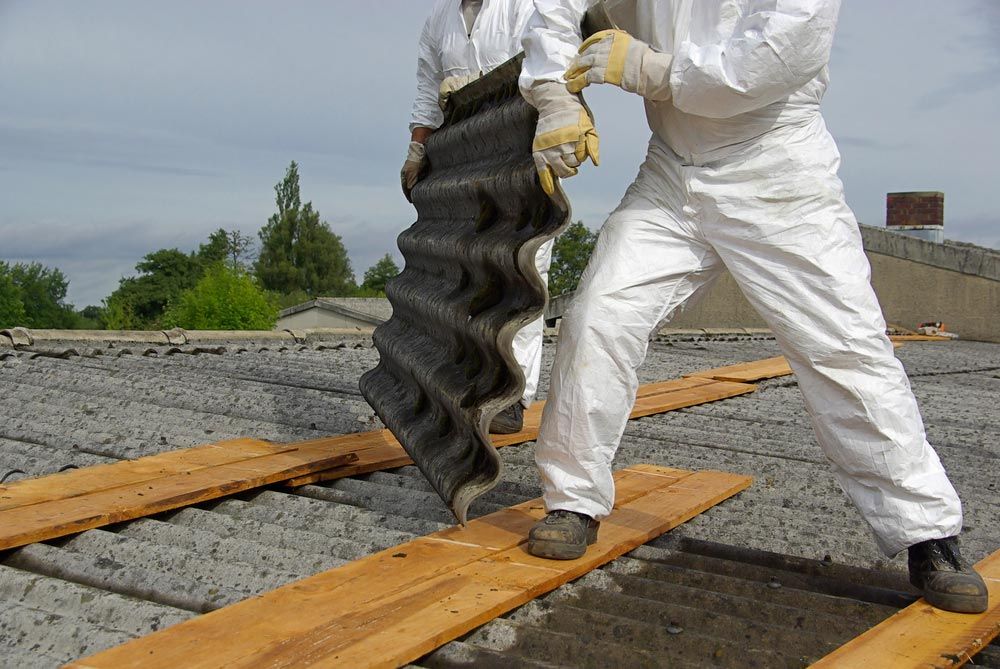
- Roofing sheets
- Wall cladding
- Insulation
- Vinyl flooring
- Eaves and fencing materials
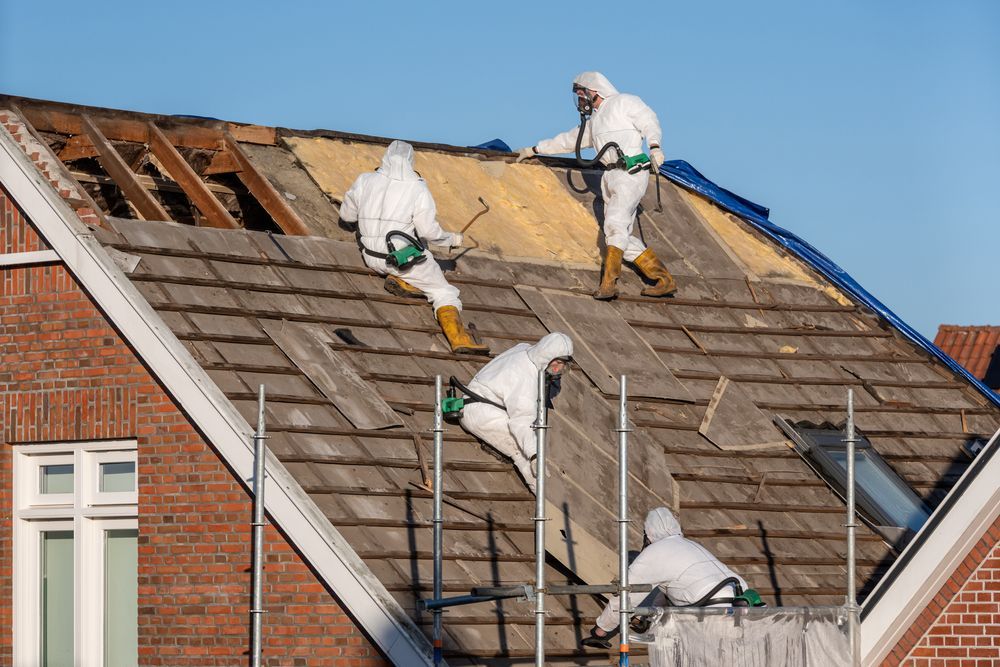
Disturbing asbestos without proper procedures can release hazardous fibres into the air.
Before demolition begins, a qualified assessor typically inspects the property and identifies any asbestos risks. If asbestos is present, licensed professionals must remove it safely before the main demolition work proceeds.
This step protects workers, nearby residents and the surrounding environment.
Disconnecting Utilities
Another important preparation step is disconnecting all utilities connected to the building.
This may include:
- Electricity
- Gas
- Water
- Sewer connections
- Telecommunications lines
Utility providers usually require formal requests to disconnect services before demolition begins.
Failing to disconnect utilities properly can create serious safety hazards for demolition crews.
Contractors experienced in residential demolition often coordinate these arrangements as part of the project preparation.
Safety Planning and Site Preparation
Safety is the highest priority during any demolition project. Residential structures may contain unstable materials, hidden hazards or structural weaknesses.
A thorough safety plan typically includes:
- Risk assessments
- Safe demolition sequencing
- Dust and debris management
- Protective barriers and fencing
- Traffic and pedestrian controls
Proper site preparation also involves clearing surrounding areas of obstacles and protecting neighbouring structures.
Professional demolition contractors ensure these measures are implemented before any machinery begins work.
Waste Management and Recycling
Residential demolition generates a significant amount of material. Timber, concrete, metal, bricks and roofing materials must all be handled responsibly.
Many demolition projects now prioritise recycling and waste reduction. Materials such as metal and concrete can often be recovered and reused rather than sent to landfill.
A structured waste management plan outlines how materials will be sorted, transported and disposed of.
Responsible demolition contractors work to minimise environmental impact while maintaining efficient project timelines.
Choosing Licensed Demolition Contractors
Demolition is a highly specialised field that requires proper training, equipment and licensing. Attempting demolition without professional expertise can lead to property damage, injuries or legal complications.
When selecting a contractor for residential demolition, homeowners should consider several factors:
- Valid demolition licensing
- Insurance coverage
- Experience with similar projects
- Knowledge of local regulations
- Clear safety procedures
Working with qualified demolition professionals ensures the project is completed safely and in compliance with legal requirements.
Site Access and Equipment Considerations
Every demolition site has unique logistical challenges. Narrow driveways, steep terrain or neighbouring buildings may affect how equipment is used.
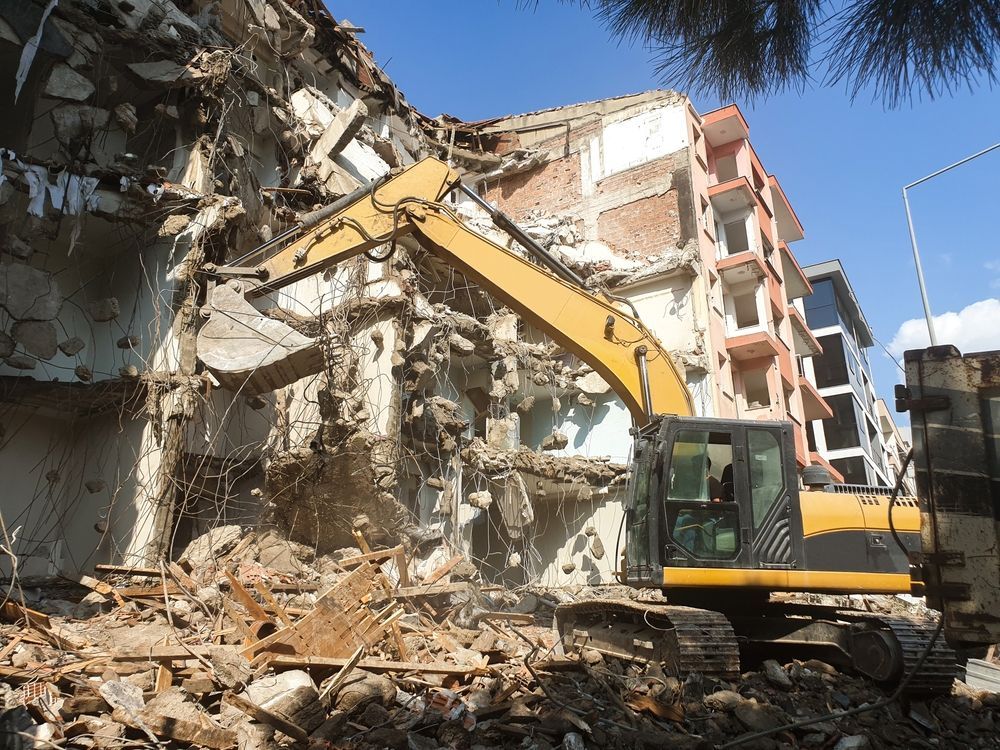
Contractors typically evaluate access conditions to determine the most appropriate machinery for the project. Excavators equipped with specialised attachments are commonly used to dismantle structures efficiently.
In some cases, parts of the demolition process may require manual work to ensure delicate areas are handled safely.
Experienced teams in residential demolition assess these factors carefully during the planning stage.
Protecting Nearby Properties
Residential areas often place demolition projects close to neighbouring homes and infrastructure. Protecting surrounding properties is a critical part of responsible demolition work.
Measures may include:
- Dust suppression systems
- Noise management strategies
- Temporary fencing and barriers
- Careful debris control
Clear communication with neighbours can also help minimise disruption during the demolition process.
Professional demolition contractors understand the importance of maintaining safe and respectful work practices within residential communities.
What Happens After Demolition
Once the structure has been removed, the site must be cleared and prepared for the next phase of development.
This stage may involve:
- Removing remaining debris
- Levelling the ground
- Removing foundations or slabs
- Preparing the site for construction
Proper site clearing ensures the land is ready for builders to begin the next stage of the project.
In many cases, demolition contractors coordinate closely with builders and developers to ensure the transition to construction is seamless.
Cost Factors in Residential Demolition
The cost of residential demolition varies depending on several factors. Understanding these influences helps homeowners plan their project budget more accurately.
Factors that affect demolition costs include:
- Size and structure of the building
- Presence of asbestos or hazardous materials
- Site accessibility
- Waste disposal requirements
- Local council regulations
Because each property is different, obtaining a detailed quote from experienced demolition professionals is the best way to understand project costs.
Starting Your Demolition Project the Right Way
Residential demolition is the first step toward creating something new. Whether you are planning to rebuild, subdivide or redevelop a property, the demolition stage sets the foundation for the entire project.
By understanding approvals, safety requirements and environmental responsibilities, homeowners can approach demolition with confidence.
Working with experienced contractors ensures the process is managed safely, efficiently and in full compliance with local regulations.
When planning a demolition in Coffs Harbour, property owners can make the process far easier to navigate with professional guidance from Walsh Demolition. We provide licensed demolition services designed to handle residential projects safely and efficiently.
To learn more about residential demolition or request professional assistance,
speak with the teamat Walsh Demolition about your upcoming project.