
How To Tell If You Have Asbestos In Your Home (And When It Becomes A Health Risk)
Asbestos remains one of the most misunderstood building materials found in Australian homes, particularly in properties built or renovated before the 1990s. For many homeowners, concerns regarding asbestos removal in Coffs Harbour only arise once renovation plans begin and old wall sheeting, eaves or flooring are exposed. At that point, questions about asbestos removal become more urgent, especially when it is unclear what materials are actually present.
The challenge is that asbestos is not always obvious. It can sit hidden behind paint, under tiles or within external cladding without showing any clear warning signs. The real risk is not simply its presence, but what happens when it is disturbed. Cutting, drilling or breaking these materials can release fibres into the air, creating a health hazard that is not immediately visible or detectable without proper testing.
Understanding how asbestos behaves, where it is commonly found and when it becomes dangerous is essential for anyone planning renovations, repairs or demolition work on older homes.
Understanding Asbestos in Australian Homes
Asbestos was widely used in Australian construction materials for its strength, heat resistance and affordability. In many homes built before 1990, it was considered a standard building component rather than a hazard. Today, it is known that exposure to airborne fibres can present serious health risks when materials are damaged or degraded.
The difficulty for homeowners is that asbestos-containing materials often look identical to non-asbestos products. Cement sheeting, vinyl flooring and insulation materials may all appear ordinary on the surface. This is why asbestos removal in Coffs Harbour is never based on appearance alone but instead requires testing and professional assessment.
Common building products that may contain asbestos include:
- Fibre cement wall and ceiling sheeting
- Eaves and external cladding
- Vinyl floor tiles and backing adhesives
- Roofing sheets and shingles
- Insulation around pipes and hot water systems
A demolition contractor will typically assess these materials during pre-demolition inspections or renovation planning to determine whether further testing or controlled removal is required.
Where Asbestos is Commonly Found in Older Properties
In many pre-1990 homes, asbestos is spread across multiple parts of the structure rather than confined to one area. It was used in both internal and external applications, meaning it can appear in unexpected places during renovation work.
During inspection or asbestos removal, contractors often identify it in:
- Bathroom and laundry wall sheeting
- Kitchen splashbacks and wall linings
- Exterior weatherboards and fencing
- Roof cavities and eaves lining
- Subfloor areas and old vinyl flooring layers
Because asbestos materials were often installed as standard building products, homeowners may not realise they are present until demolition or strip-out begins. This is where early identification becomes critical, particularly before cutting into walls or removing structural elements.
A demolition contractor can assist by isolating suspect materials and arranging sampling or licensed removal through controlled procedures such as those outlined in asbestos removal.
Why Visual Identification is Not Enough
One of the most common misconceptions is that asbestos can be identified by sight. In reality, visual inspection alone is unreliable. Many asbestos-containing materials were manufactured to resemble standard building products, and age or wear does not necessarily make them easier to identify.
Even experienced builders cannot confirm asbestos content without testing. Factors that complicate visual identification include:
- Similar appearance to non-asbestos fibre cement products
- Multiple layers of paint or renovation materials covering original surfaces
- Mixed construction materials from different renovation periods
- Deterioration that changes surface texture without revealing composition
This uncertainty is why professional assessment is a key step in any demolition or renovation project involving older homes. Asbestos removal relies on sampling and laboratory testing rather than assumptions based on appearance.
Attempting to confirm asbestos visually can lead to unnecessary exposure risks if materials are disturbed without proper controls in place.
Bonded vs Friable Asbestos Explained
Understanding the difference between bonded and friable asbestos is essential when assessing risk levels in a property. Bonded asbestos refers to materials where fibres are held tightly within a solid matrix, such as cement sheeting or vinyl tiles. In this state, the material is generally stable if left undisturbed. However, it can become hazardous when cut, broken or sanded.
Friable asbestos is more dangerous. It refers to materials that are loose, crumbly or easily reduced to powder by hand pressure. In this condition, fibres are more likely to become airborne and pose a higher health risk.
Key differences include:
- Bonded asbestos: stable when intact but risky if disturbed
- Friable asbestos: easily releases fibres even with minimal contact
- Bonded materials are more common in residential homes
- Friable materials often appear in insulation or lagging in older buildings
Licensed demolition and asbestos specialists are trained to manage both types safely. Controlled removal procedures, including those used in asbestos removal in Coffs Harbour, ensure materials are handled in line with safety regulations.
What Disturbs Asbestos and Triggers Fibre Release
Asbestos becomes dangerous when fibres are released into the air. This typically occurs during physical disturbance, rather than from simply being present in a building.
Common activities that can trigger fibre release include:
- Drilling into asbestos cement sheeting
- Sanding or cutting wall or ceiling panels
- Breaking roofing or fencing materials
- Removing vinyl flooring without proper preparation
- Demolition of structures without prior asbestos assessment
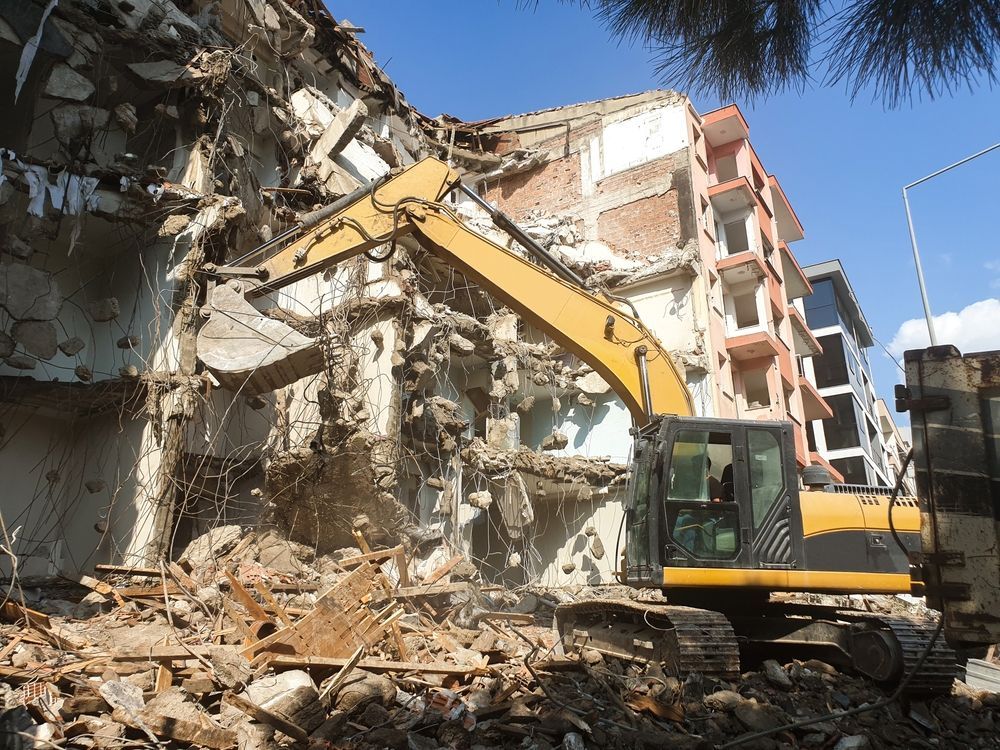
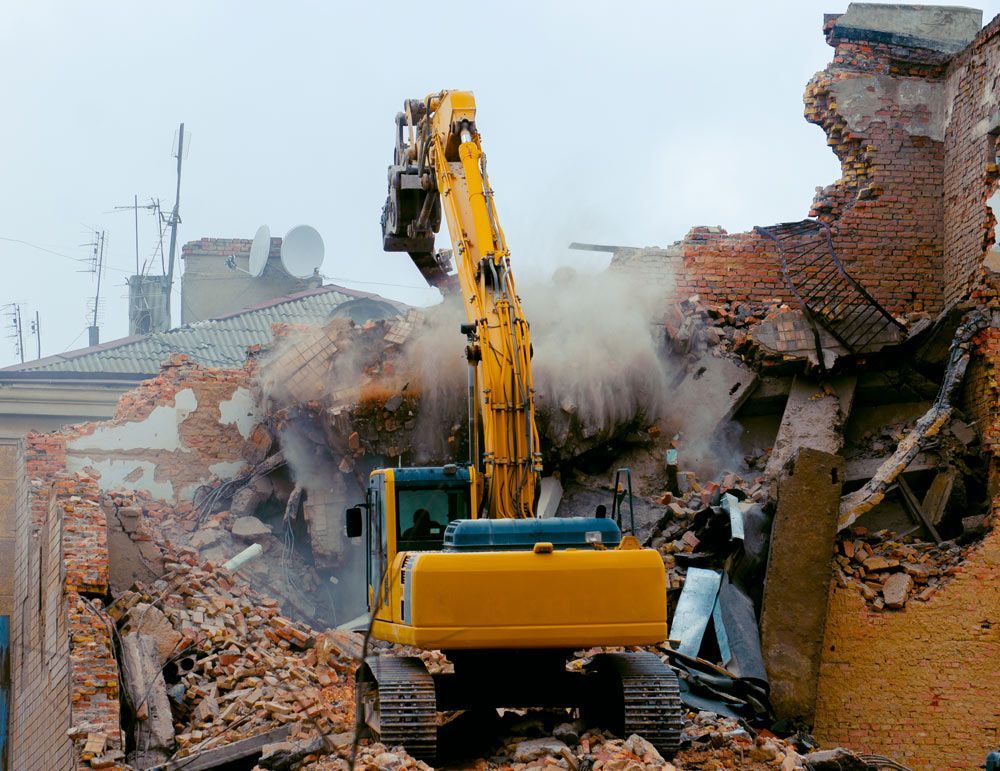
Even minor renovation work can create risks if asbestos is not identified beforehand. This is why demolition contractors often conduct pre-start inspections before any structural work begins. In many cases, asbestos must be safely removed before demolition can proceed.
Proper procedures for asbestos removal in Coffs Harbour include containment, controlled dismantling and safe disposal to prevent airborne contamination.
Health Risks and Exposure Levels
The health risks associated with asbestos are linked to inhalation of microscopic fibres. Once airborne, these fibres can remain suspended for long periods and may be inhaled without immediate symptoms.
Exposure does not always result in illness, but repeated or high-level exposure increases risk over time. Conditions linked to asbestos exposure include:
- Asbestosis, a chronic lung condition
- Mesothelioma, a rare cancer affecting the lung lining
- Lung cancer, particularly in long-term exposure cases
The risk is not determined solely by the presence of asbestos but by how much is released and inhaled. This is why undisturbed bonded materials may pose minimal risk, while renovation or demolition activities significantly increase exposure potential.
Understanding when asbestos is dangerous is central to safe property management, particularly when planning renovations or demolition work involving older structures.
Renovation, Demolition and When to Involve Professionals
Any renovation or demolition work on older properties should begin with an assessment for asbestos-containing materials. This is particularly important when walls, ceilings or external structures are being altered.
Professional involvement is recommended when:
- The property was built or renovated before 1990
- Materials are unknown or suspected to contain asbestos
- Structural demolition or internal strip-outs are planned
- There is visible deterioration of building materials
A demolition contractor plays an important role in coordinating safe removal, ensuring asbestos is identified early and managed correctly. Asbestos removal often forms part of a broader demolition or site preparation process, including controlled dismantling and waste disposal.
Engaging professionals reduces the likelihood of accidental disturbance and helps ensure compliance with safety requirements throughout the project.
Safe Management, Testing and Licensed Asbestos Removal
Safe asbestos management relies on proper identification, testing and removal carried out by licensed specialists. Once suspect materials are identified, samples are typically sent to a laboratory for confirmation before any physical work begins.
From there, removal is carried out using controlled methods that may include:
- Sealing and isolating work areas
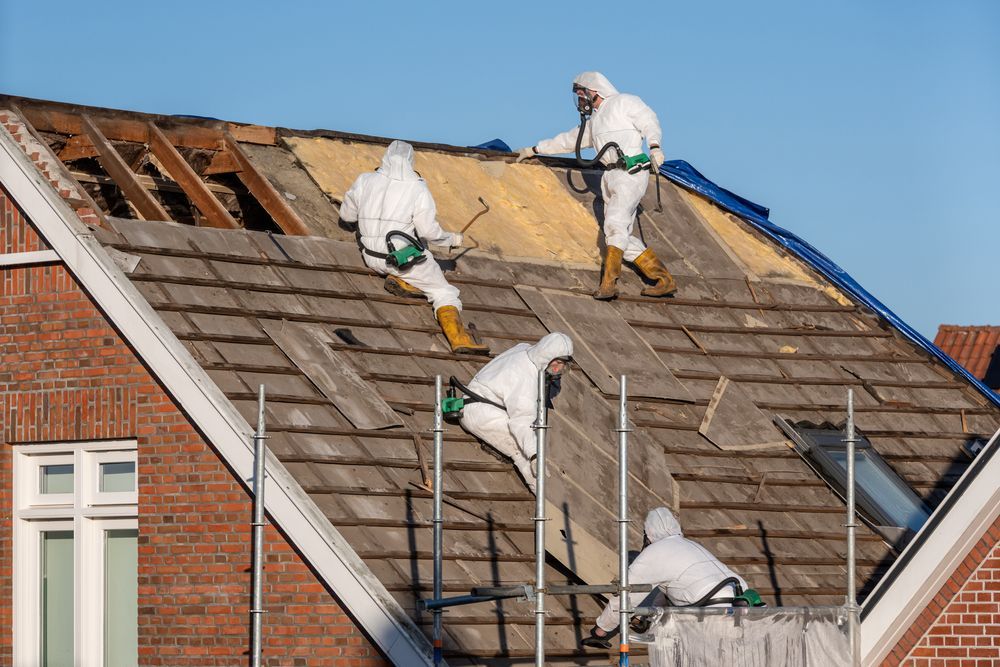
- Using protective equipment and containment barriers
- Careful removal of bonded materials without breakage
- Wet suppression techniques to reduce dust
- Secure packaging and disposal at approved facilities
These steps are essential in ensuring fibres are not released into the surrounding environment. In many cases, demolition contractors coordinate directly with licensed asbestos removal teams to ensure the process is managed safely from start to finish.
Arrange Safe Asbestos Assessment for Your Property
Asbestos is still present in many older Australian homes, and the key challenge is not just identifying it, but understanding when it becomes hazardous. For homeowners planning renovations or demolition work, uncertainty should always be treated cautiously. Disturbing materials without proper assessment can quickly increase risk.
Professional testing and controlled removal remain the most reliable way to manage asbestos safely, particularly when dealing with bonded and friable materials across different parts of a structure. Whether it is wall sheeting, roofing or flooring, the safest approach is to assume nothing until it has been properly assessed.
If you are considering asbestos removal in Coffs Harbour, we at Walsh Demolition can assist with inspections, testing coordination and licensed removal as part of a structured demolition and site preparation process. Contact our team to arrange an assessment and ensure your project moves forward safely and in line with regulatory requirements across Coffs Harbour and surrounding Northern NSW.