
Why Was Asbestos Used In The First Place? A Historical & Practical Explanation (And Why It’s Still Found In Coffs Harbour Homes)
Asbestos was once considered a “miracle material.” For decades, it was widely used in Australian construction because it was affordable, durable and highly resistant to heat and fire. Today, we understand the serious health risks it poses, yet it still exists in thousands of homes and commercial buildings across the region. That is why asbestos removal in Coffs Harbour remains such an important service for property owners.
To understand why asbestos is still present in so many properties, it helps to look back at why it was used so heavily in the first place.
What Is Asbestos and Why Builders Loved It
Asbestos is a naturally occurring mineral made up of tiny fibres. These fibres are strong, flexible and resistant to heat, fire, chemicals and electricity. When mixed with cement or other materials, asbestos created products that were lightweight, strong and long-lasting.
For builders and manufacturers, asbestos offered several advantages:
- Fire resistance, making homes safer in bushfire-prone and high-heat areas
- Excellent insulation properties for both thermal and acoustic control
- Resistance to water damage and rot
- Strength without adding excessive weight
- Low cost compared to alternative materials at the time
In an era where building materials needed to be practical and economical, asbestos ticked every box. It was easy to transport, simple to install and adaptable to a wide range of applications. As a result, it became deeply embedded in Australian construction practices.
The Post-War Building Boom in Australia
After World War II, Australia experienced rapid population growth and housing demand. Returning servicemen, expanding families and large-scale migration programs created an urgent need for affordable housing.
During this period, fibro cement sheeting containing asbestos became one of the most commonly used materials in the country. It allowed homes to be built quickly and cheaply, especially in regional areas like Coffs Harbour and across Northern NSW.
Australian building practices at the time favoured materials that could withstand harsh weather conditions, including coastal moisture, humidity and high summer temperatures. Asbestos cement products performed well in these environments, which further increased their popularity.
Between the 1940s and the late 1980s, asbestos was used in a vast range of residential and commercial construction projects. In many cases, it was installed without any awareness of the long-term risks.
Where Asbestos Was Commonly Installed
Because of its versatility, asbestos was used in far more places than many people realise. In homes and commercial buildings, it could be found in:
- Wall and ceiling sheeting
- Roofing and eaves
- Fencing panels
- Switchboard backing boards
- Vinyl floor tiles and underlay
- Insulation materials
- Pipe lagging
- Cement pipes and drainage systems
- Concrete formwork and expansion joints
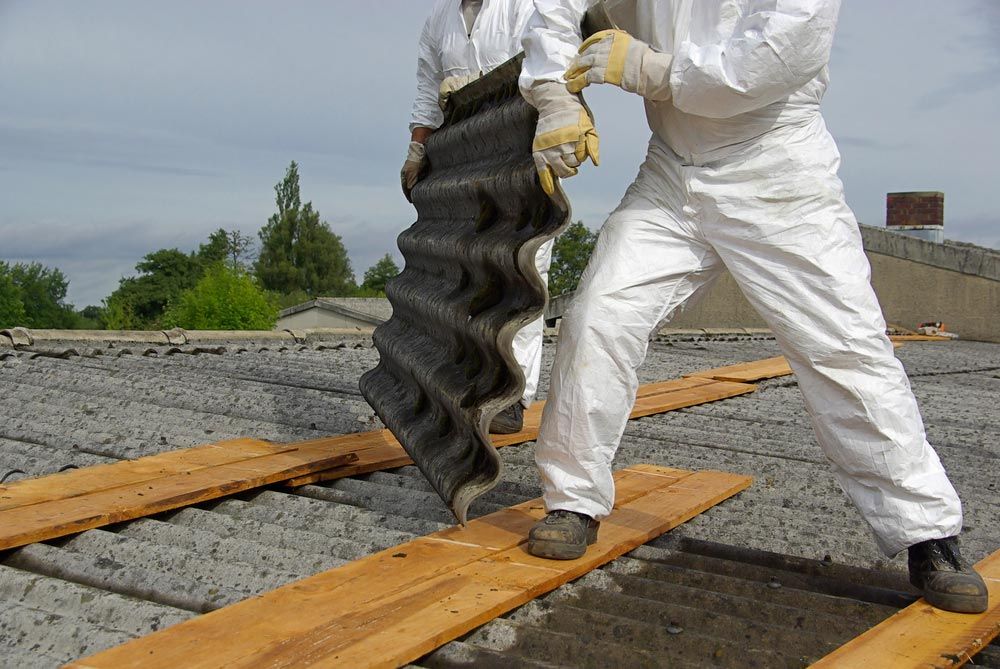
Non-friable asbestos, which is bonded into cement or resin, was especially common in fibro sheeting. Friable asbestos, which crumbles easily and releases fibres more readily, was often used in insulation and spray-on coatings.
In many older properties around Coffs Harbour, asbestos materials are still present behind walls, under floors or in outbuildings such as garages and sheds.
When the Health Risks Became Known
While asbestos was heavily promoted for its practical benefits, concerns about its health impacts began emerging decades ago. By the mid twentieth century, medical researchers had identified a link between asbestos exposure and serious respiratory diseases.
When asbestos fibres are disturbed and inhaled, they can lodge deep in the lungs. Over time, this exposure may lead to conditions such as:
- Asbestosis, which causes scarring of lung tissue
- Mesothelioma, a rare and aggressive cancer linked almost exclusively to asbestos exposure
- Lung cancer
- Other respiratory illnesses
One of the most dangerous aspects of asbestos exposure is the long latency period. Symptoms can take 20 to 30 years or more to appear. This delay made it harder for early cases to be connected to building materials.
As awareness grew, regulations tightened. Australia progressively restricted asbestos use before implementing a complete ban on all forms of asbestos in 2003.
Why Asbestos Is Still Found in Properties Today
Even though asbestos has been banned for decades, it has not disappeared from the built environment. The reason is simple: asbestos-containing materials were durable and designed to last.
Homes and commercial buildings constructed or renovated before the late 1980s are particularly likely to contain asbestos. In Coffs Harbour and surrounding areas, many properties fall within this timeframe.
Because asbestos was used so extensively, it remains present in:
- Original fibro homes
- Older commercial buildings
- Rural properties with sheds and fencing
- Coastal homes built during mid century expansion
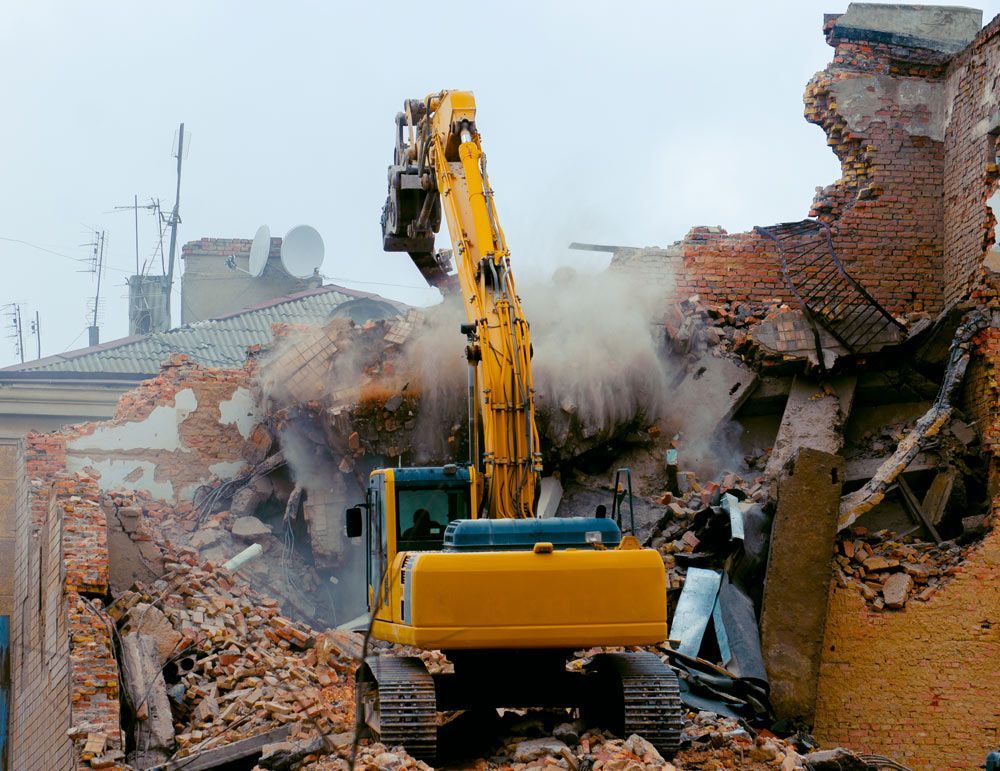
If these materials remain intact and undisturbed, they may not pose an immediate risk. However, problems arise when asbestos is cut, drilled, sanded or damaged during renovations or demolition.
Why Asbestos Is Still a Concern in Coffs Harbour
Coffs Harbour has a mix of older residential homes, rural properties and commercial buildings. Many were constructed during peak asbestos usage years.
In addition, coastal conditions can accelerate the ageing and deterioration of building materials. Over time, asbestos cement sheeting may crack, weather or degrade. As materials age, the likelihood of fibres being released increases, particularly during maintenance work.
Renovation activity is another major factor. As homeowners update kitchens, bathrooms, roofing and extensions, previously hidden asbestos may be uncovered. Without proper identification and handling, this can create serious health risks for occupants and tradespeople.
This is why
asbestos removal in Coffs Harbour continues to be essential today. The legacy of past building practices remains present in many local properties.
When Should You Consider Testing or Removal
If your property was built or renovated before 1990, it is wise to assume asbestos may be present until proven otherwise. You should consider professional testing or licensed removal if:
- You are planning renovations or demolition
- Materials appear damaged, cracked or deteriorating
- You are purchasing an older property
- You suspect insulation or sheeting may contain asbestos
- You need to meet compliance requirements before redevelopment
The only reliable way to confirm asbestos is through proper testing carried out by trained professionals. Visual inspection alone is not enough.
Attempting to remove asbestos without the correct licence and safety controls can expose you and others to harmful fibres. It may also leave you legally liable for improper disposal or contamination.
The Importance of Licensed Asbestos Removal in Coffs Harbour
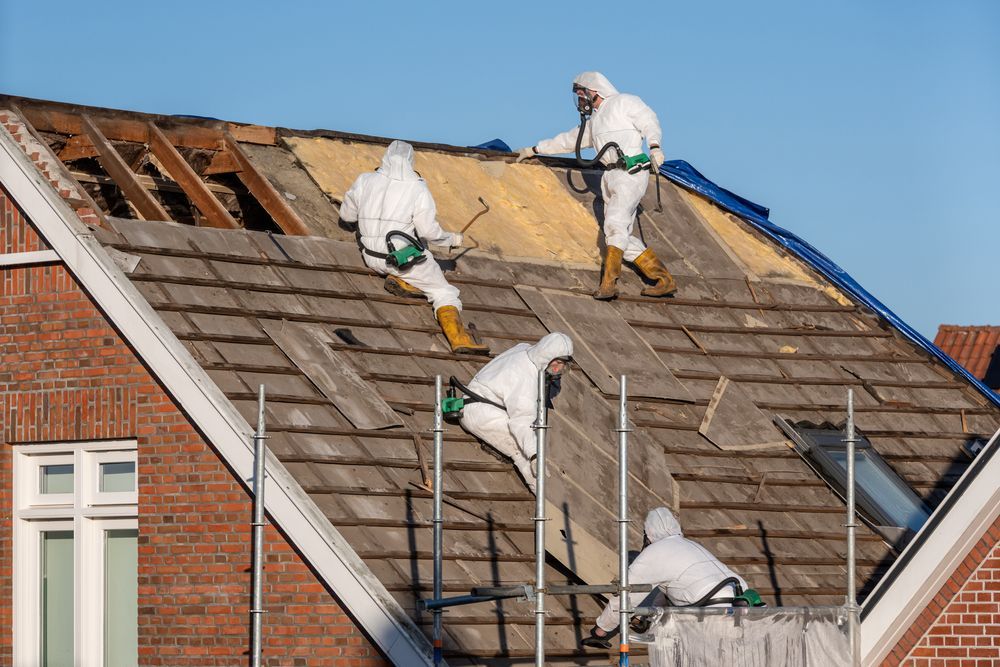
When asbestos is identified, it must be handled with strict compliance to NSW regulations. Licensed asbestos removalists follow the Code of Practice, use specialised protective equipment and ensure waste is transported to approved disposal facilities.
Professional removal typically involves:
- Detailed site inspection and risk assessment
- Notification to relevant authorities when required
- Containment of the work area
- Dampening materials to suppress dust
- Careful removal without breaking panels
- Double wrapping and correct labelling
- Disposal at certified facilities
- Independent clearance inspections
Engaging a licensed team ensures your property is safe, compliant and ready for reoccupation without risk.
From “Miracle Material” to Managed Risk
Asbestos was once valued for its strength, fire resistance and affordability. These qualities made it a staple of Australian construction during decades of rapid growth. Unfortunately, the long-term health consequences changed how we view this material forever.
Today, asbestos remains in many homes and buildings across Coffs Harbour, not because it is still used, but because it was built into the very fabric of earlier construction. Ageing materials and renovation projects can increase the risk of fibre release, making awareness and professional management critical.
If you suspect asbestos in your home or commercial property, do not take chances. Seeking expert advice ensures the material is assessed correctly and removed safely if required.
For trusted,
licensed asbestos removal Coffs Harbour property owners can rely on experienced professionals who understand both the history and the risks. With the right approach, you can protect your family, staff and community while moving forward with confidence.
Don’t take risks with asbestos. Contact
Walsh Demolition today for expert, licensed removal and ensure your property is safe.