
Cost Factors Affecting Demolition Projects In Coffs Harbour: What Impacts Your Quote?
Demolition might look straightforward from the outside, but it quickly becomes clear how many variables shape the final quote. Every structure has its own story, including the materials used, the age of the building, the hazards that might be sitting behind walls or under slabs. These details all play a part in determining how long a demolition will take, what equipment is needed and what safety measures must be put in place. That’s why demolition projects in Coffs Harbour, and across Australia, often vary more than people expect when it comes to cost.
Understanding what goes into a demolition quote helps homeowners, builders and developers plan with confidence. Below are eight key factors that influence the price and timeline of a demolition job, and how contractors manage each stage to keep the project safe, efficient and compliant.
The Condition of the Structure Sets the Baseline
The starting point for any demolition quote is the condition of the existing structure. Older homes or buildings constructed with brittle or damaged materials can take longer to dismantle, especially if they’re unstable or partially collapsed. Newer buildings may have stronger frames or reinforced concrete that require heavier machinery and more labour.
What typically influences cost:
- Structural damage such as rot, cracks or fire-affected sections.
- Reinforced concrete or steel frames requiring specialised machinery.
- Multi-storey or complex layouts that slow down mechanical demolition.
Contractors need a clear understanding of the building’s condition before planning demolition, as it determines the safest way to bring the structure down.
Hidden Hazards That Change the Scope Fast
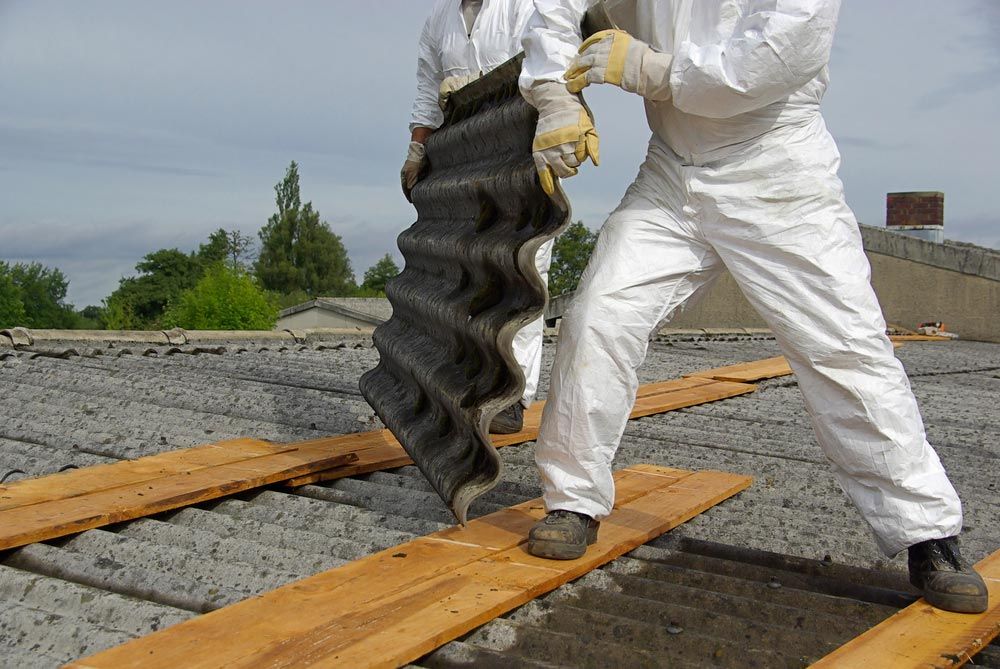
Some demolition challenges lie beneath the surface. Hazardous materials like asbestos, chemical residues or contaminated soil need licensed removal before any structural work can begin. These hazards can completely change the scope, timeline and cost of the project.
Common hazards that increase complexity:
- Asbestos in walls, ceilings, eaves or flooring materials.
- Contaminated soil from chemicals, fuel or old industrial use.
- Unstable sections that require careful manual dismantling.
Hazard identification is a core part of demolition planning. Detecting these risks early helps contractors coordinate removal, keep the site safe and prevent delays.
Access and Site Layout Can Make or Break Efficiency
A demolition contractor relies heavily on machinery access. Tight driveways, steep slopes, shared fences or overhead services can restrict movement and limit the type of equipment that can be used. These access challenges can slow down progress and increase labour.
Site layout challenges often include:
- Narrow or shared access points that limit machinery entry.
- Overhead wires or underground services needing protection.
- Sloped blocks or uneven terrain affecting stability and positioning.
Planning for access often shapes the entire demolition method, which is why site inspections are essential before quoting.
Waste Volume and Disposal Rules Add Real Costs
Demolition produces a significant amount of waste, and the volume and type of debris heavily influence the overall price. Materials like concrete, bricks, timber and steel all need to be sorted for recycling or disposal. Compliant waste handling is not optional, contractors must follow strict rules for transporting and disposal.
Waste-related cost factors include:
- The amount of concrete, timber, brick and metal that must be removed.
- Time required for sorting materials to meet recycling standards.
- EPA-aligned disposal fees for mixed or hazardous waste.
Efficient waste management is one of the largest components of a demolition quote, and it’s also one of the most important for environmental compliance.
Demolition Method Matters More Than Most People Expect
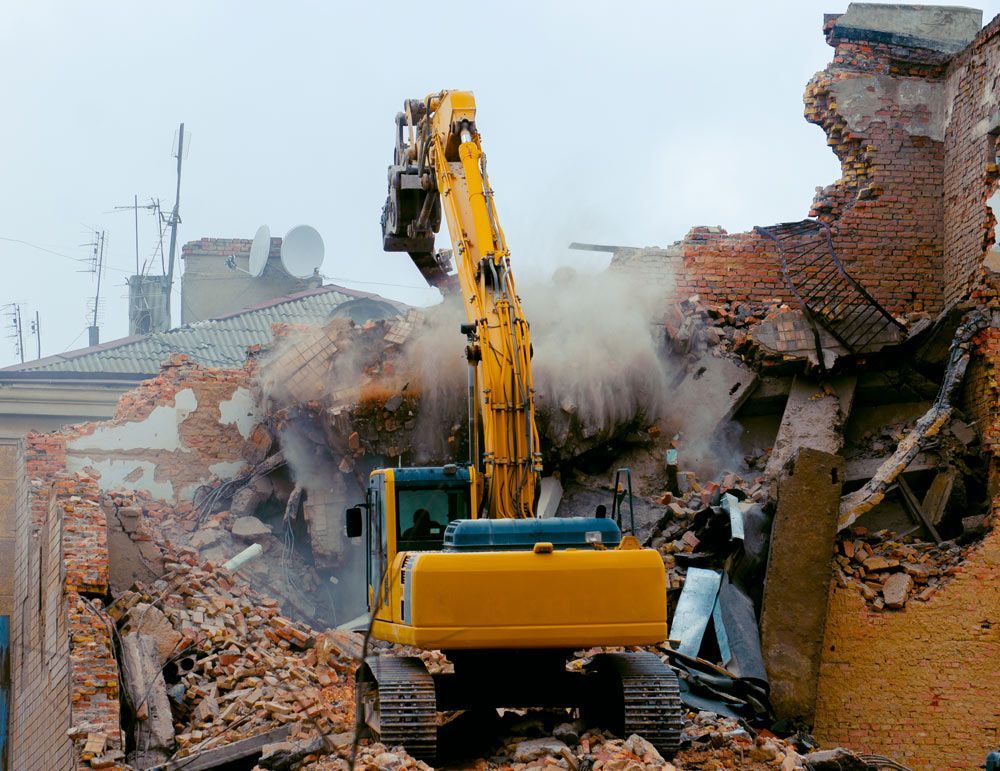
Not all demolitions are the same. Some structures can be brought down mechanically in a straightforward sweep, while others require detailed hand demolition or selective dismantling. The chosen method depends on the material, layout, neighbouring properties and any heritage or structural considerations.
Factors influencing the chosen method:
- Mechanical demolition for standard dwellings and clear sites.
- Selective or partial demolition when retaining parts of the structure.
- Hand demolition for tight access, fragile sections or safety concerns.
Each method impacts how long the job will take, how many workers are required and what equipment is needed.
Services That Need Disconnecting Before the First Swing
Before a single wall can come down, essential services must be disconnected. Live electricity, gas lines, water and telecommunications pose major safety risks on a demolition site.
Typical pre-demolition service tasks include:
- Organising electrical isolation and meter removal.
- Disconnecting gas and water lines safely.
- Identifying and marking underground services.
These steps ensure a safe working environment and prevent accidental damage during machinery operation.
Environmental Controls and Compliance Requirements
Demolition contractors must manage dust, noise, erosion and run-off from the site, all while meeting local and national regulations. Environmental controls require planning, equipment and monitoring, which contribute to the overall quote.
Environmental considerations often include:
- Dust suppression to protect neighbouring properties.
- Noise control measures for compliance and community impact.
- Erosion and sediment controls during excavation.
These aren’t optional extras, they’re essential elements of a safe and compliant demolition project.
Post-Demolition Site Preparation and Cleanup
The job doesn’t end when the building hits the ground. Once the structure is removed, contractors clear rubble, level the block and prepare the site for its next stage, whether that’s construction, landscaping or sale.
Post-demolition tasks typically involve:
- Removing remaining debris and metal for recycling.
- Grading and levelling the site.
- Preparing the block for future building or development.
These finishing stages ensure the land is safe, clean and ready for use, and they form an important part of the overall project cost.
At Walsh Demolition we manage demolition projects with careful planning, strict safety procedures and transparent pricing, so you know exactly what’s involved before work begins. Whether you’re clearing a residential block or preparing a commercial site in Coffs Harbour, our team handles everything from hazard removal to site cleanup. For safe, efficient and compliant demolition services, visit www.walshdemolition.com.au and contact us today to discuss your project.